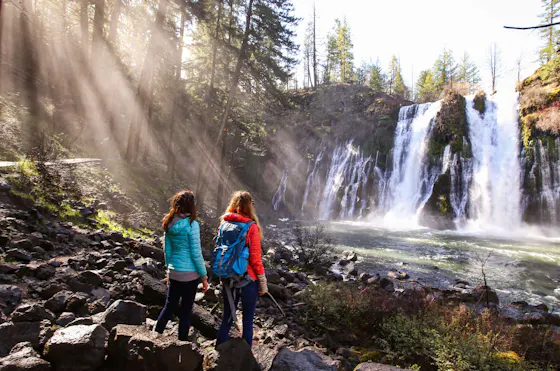
California: State of Nature {The Magical Mojave}
Introducing California: State of Nature, a new exhibition at the California Academy of Sciences in San Francisco’s Golden Gate Park.


The California Academy of Sciences’s dynamic new exhibition, California: State of Nature, is a colorful peek into four of our state’s distinct and resilient ecosystems: forests, coasts, deserts, and cities. Explore California’s unparalleled biodiversity with interactive and multi-sensory displays, dazzling specimens, and fascinating media. Over the next couple of months, we’ll be highlighting California: State of Nature and its four ecosystems, starting with the dynamic Mojave Desert, a landscape of rare wildlife, wildflowers, and wondrous dark skies.
See the New Exhibit, California: State of Nature
Magical Mojave

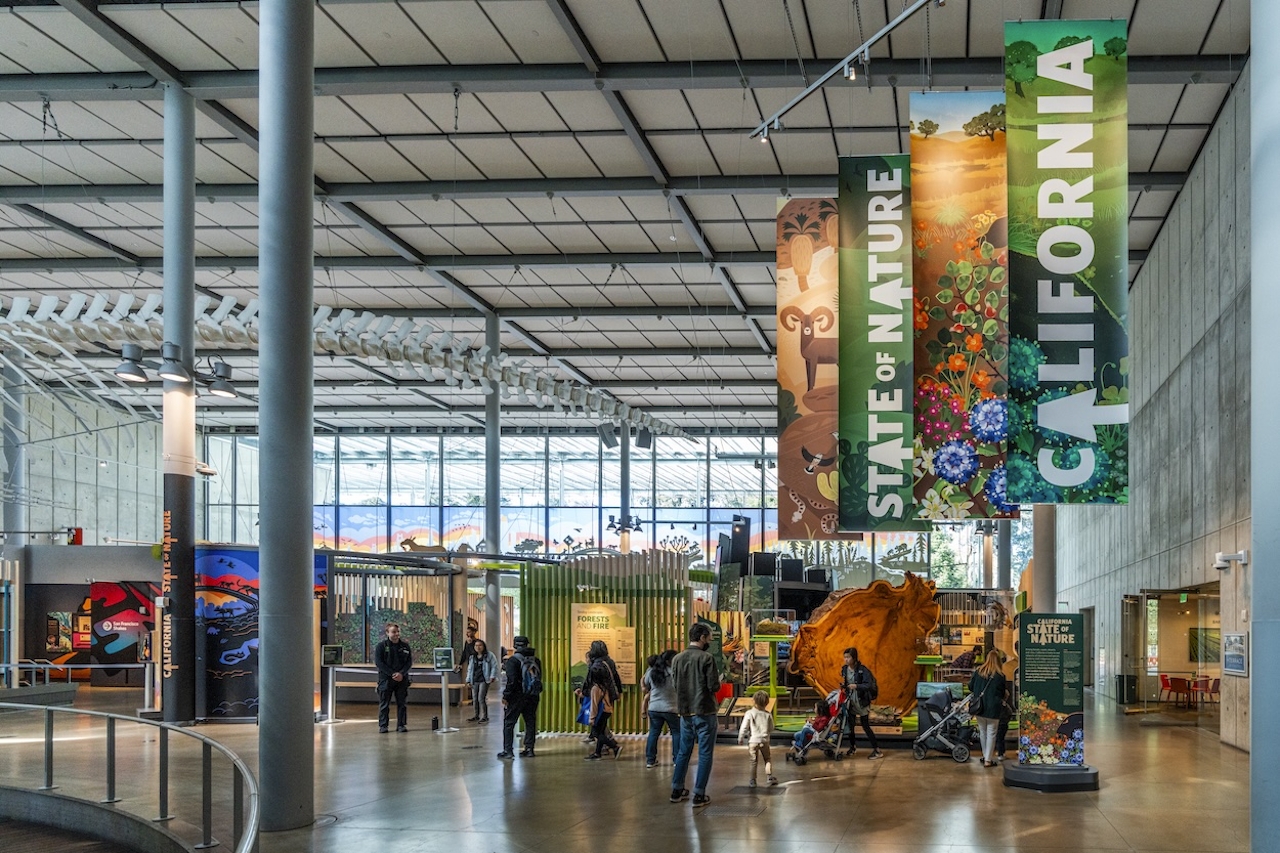
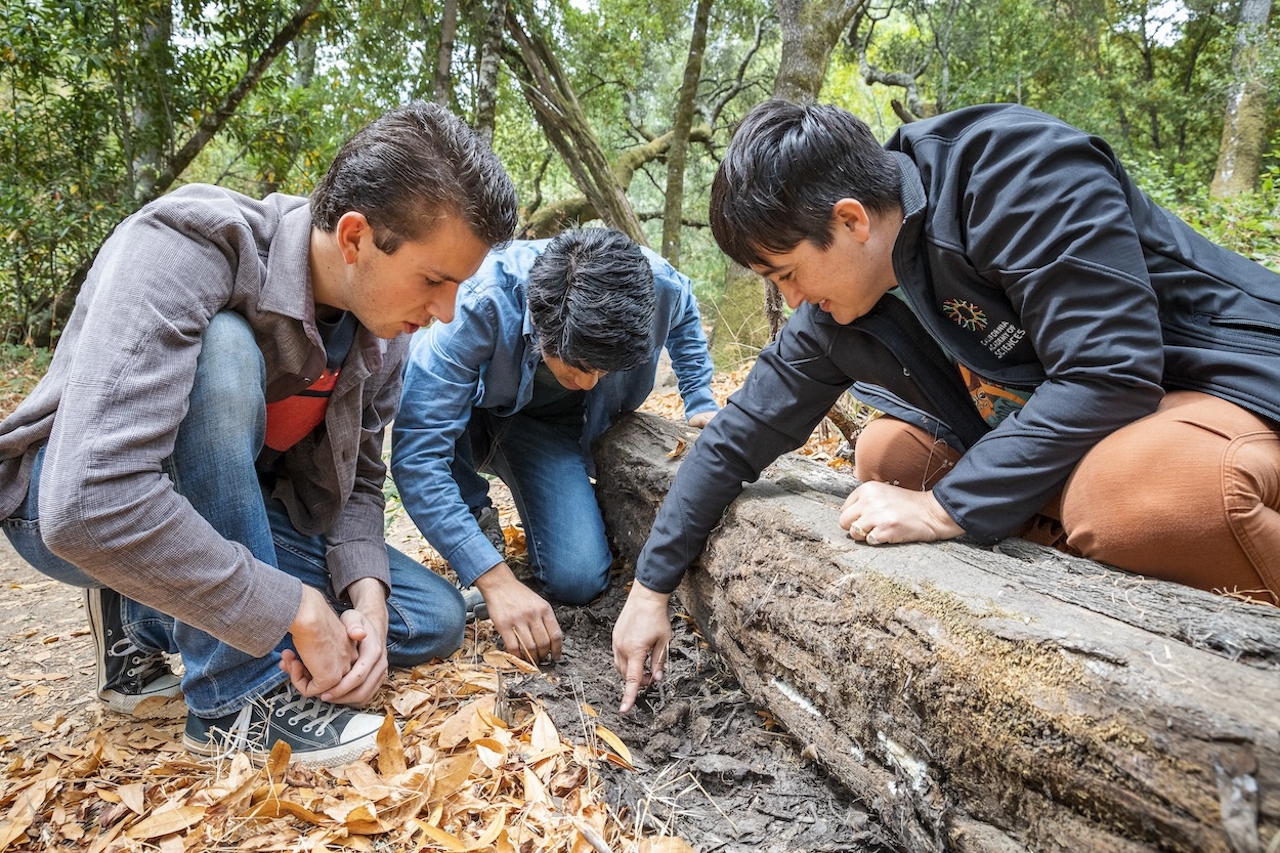
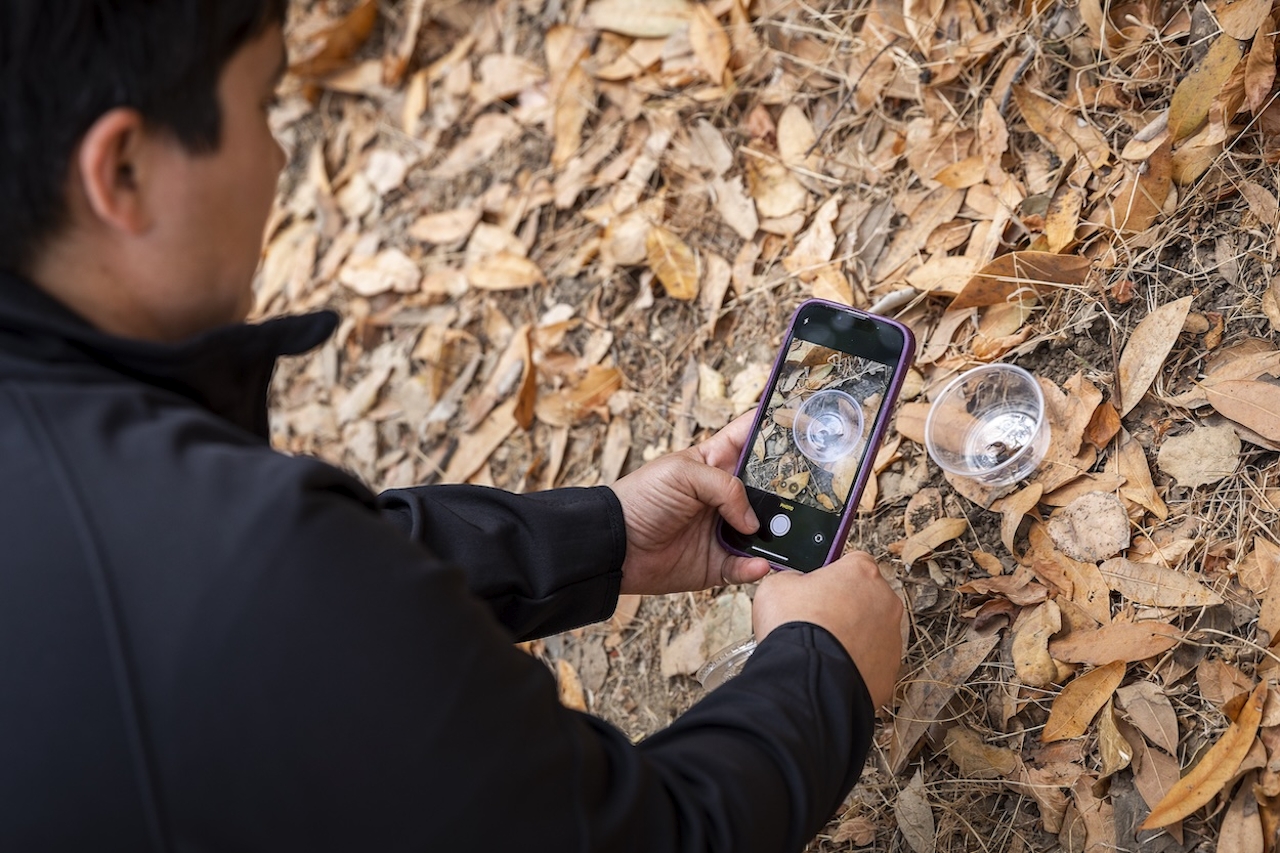
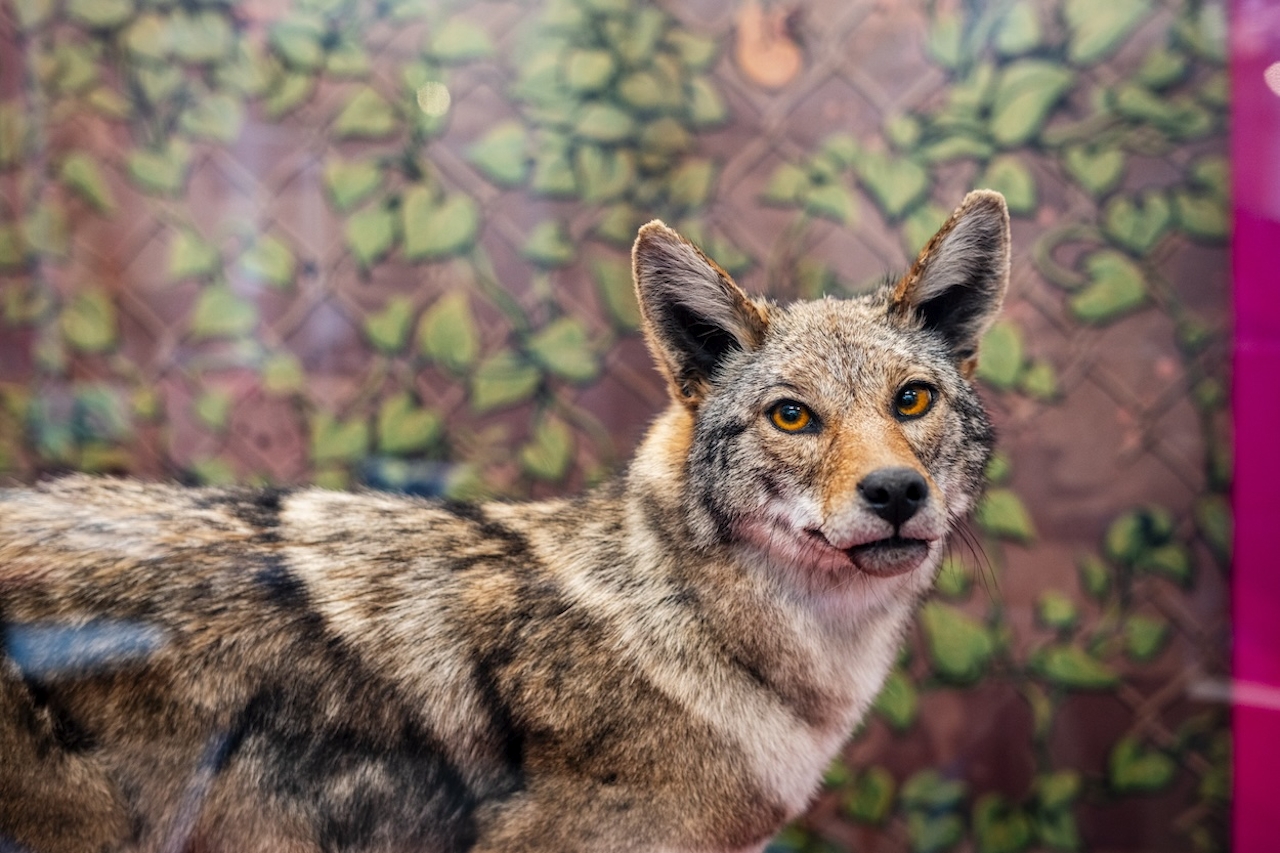
See some of the resilient plants and animals that call the Mojave Desert home, like the desert spiny lizard, silver cholla cactus, desert kit fox, and a “new-to-science” playa scorpion identified by high school students!
Discover the unique adaptations that enable desert flora and fauna to not only survive, but thrive! And learn how biodiversity surveys in the Mojave Desert help researchers gain new insights and discoveries.
Now Take It Outside!
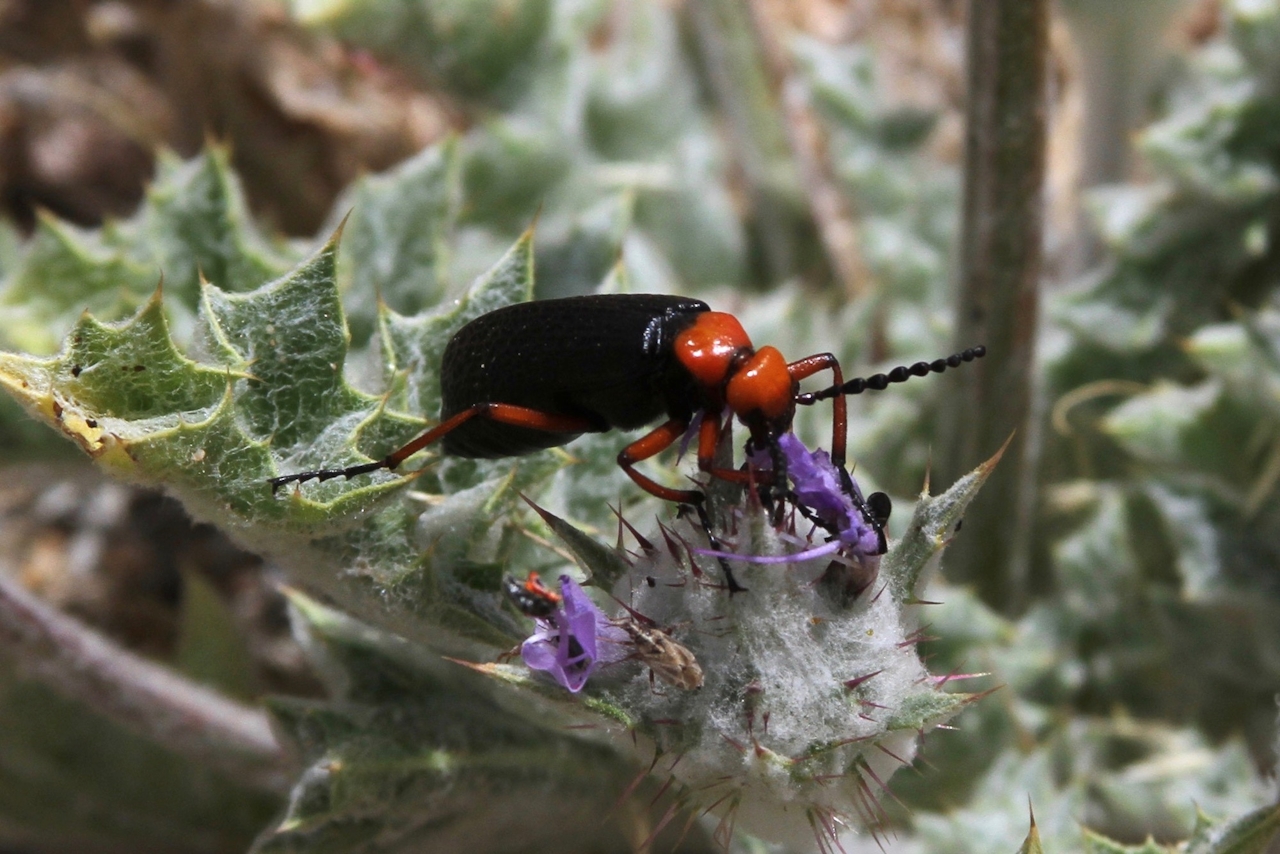
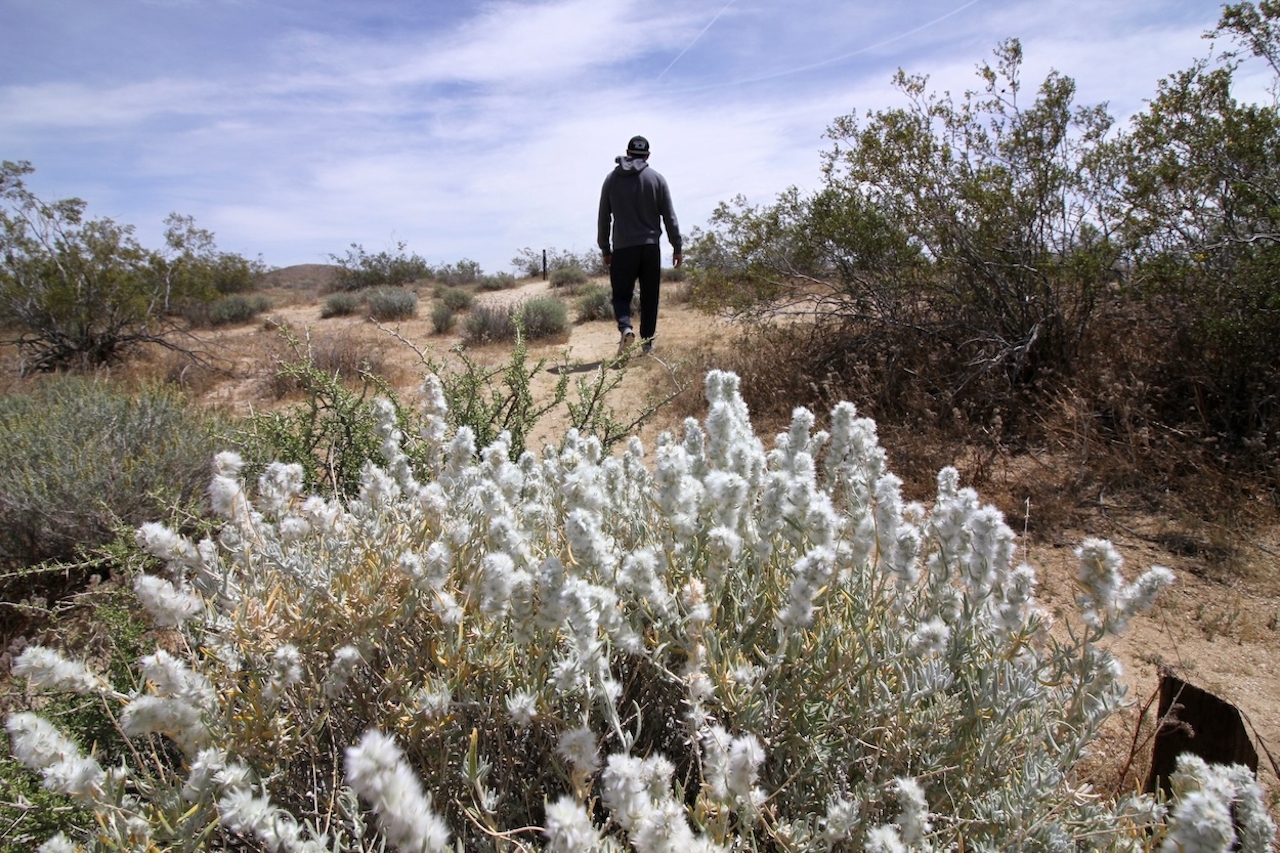
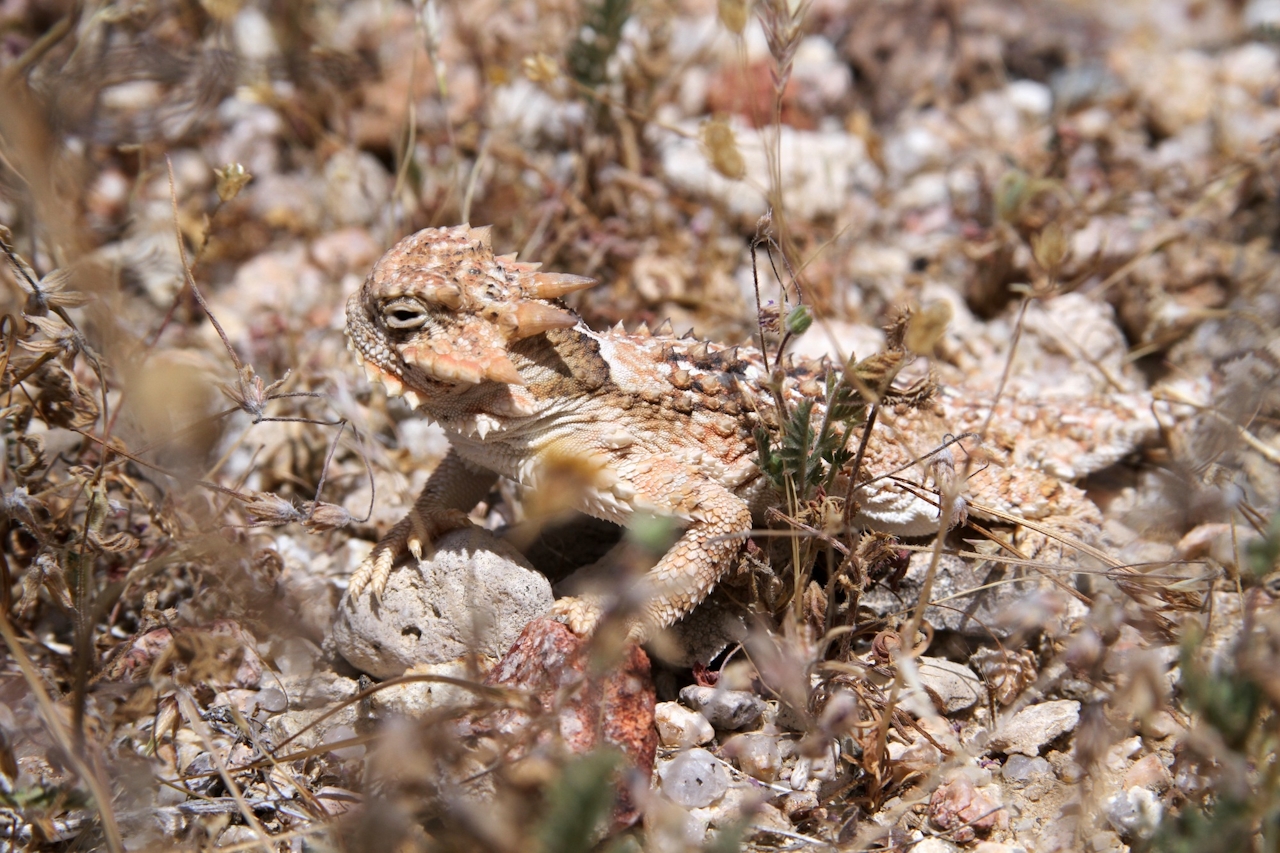
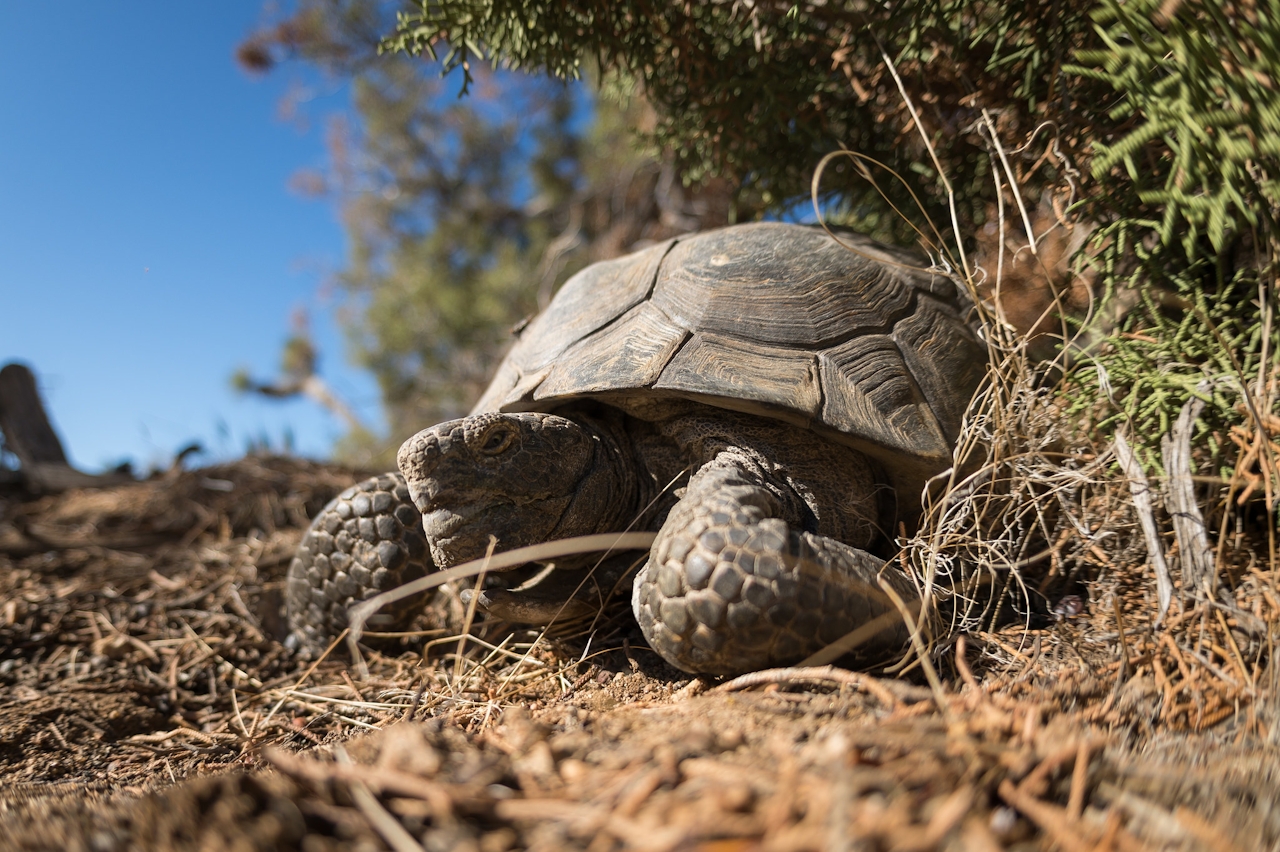
You too can help identify new species! Some of the Mojave Desert’s most extraordinary creatures can be seen at the Desert Tortoise Research Natural Area. The 0.75-mile Animal Loop is a good primer. You might even spot the tiny kit fox you learned about at the California Academy of Sciences’s exhibition: California: State of Nature. Complimentary citizen science apps like iNaturalist can help assist with your discoveries using your mobile phone. On the trail you’ll likely see some of the Mojave Desert’s colorful lizards—including the camouflaged desert horned lizard.
The western part of Joshua Tree National Park is part of the Mojave Desert. And the park’s one-mile Hidden Valley hiking loop is a great way to witness its bounty of cactus and—of course—iconic Joshua trees.
NOTE: Desert environments are best visited in cooler months, like winter and spring. Summer can spike to dangerous heat levels, so use good judgment about when you visit, and always check the forecast before going. Time your visit accordingly and be sure to bring essentials like plenty of water, sunscreen, and a hat.
See the New Exhibit, California: State of Nature
Stars of the Desert's Dark Skies
Look up! Starry nights are a standout in desert environs thanks to less light pollution. Some of California’s most prominent national parks have official Dark Sky designations. And some of the desert “stars” come in the form of creatures great and small. Embrace all the stars of the darkness in the Dynamic Desert section of California Academy of Sciences’s new California: State of Nature exhibition.
See a video showcasing the desert’s beguiling transition from light to dark, day to night. Find out how bats, birds, and insects depend on dark skies for navigation, pollination, and food sources. Meet some of the women in STEM leading dark-sky research and learn just how critical darkness is for the survival of innumerable desert species.
See the New Exhibit, California: State of Nature
Now Take It Outside!
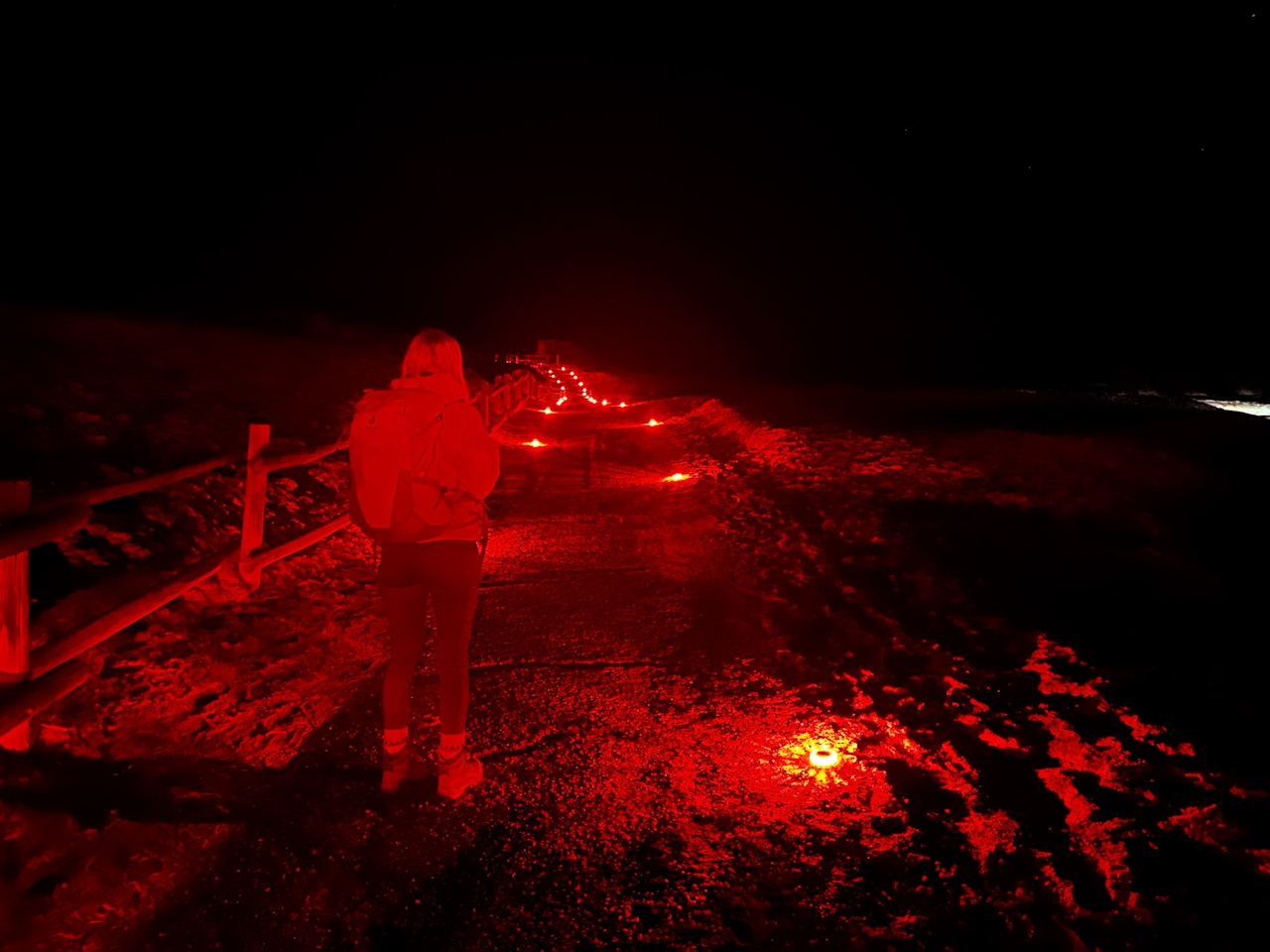
Death Valley National Park has been given the highest ranking of darkness by the International Dark-Sky Association. It’s the largest park unit within the Mojave Desert. In addition to learning from the Dark Sky pros at the Academy of Sciences’s new exhibition, California: State of Nature, a visit to Death Valley is an enlightening way to discover the splendor of nighttime in the desert.
Ranger-guided programs include starry night talks and full-moon walks. Learn all about the cosmos and the animals that emerge when the sun goes down … wait, is that a jackrabbit?!
BONUS: Joshua Tree National Park has Stargazing Areas for Milky Way Season. June, July, and August are considered best for viewings because this galaxy appears soon after darkness falls. Hidden Valley Parking Area is one of the viewing spots. Bring lawn chairs and catch the sunset before the Milky Way lights up the sky. Make sure to go on a moonless night and check ahead for best viewing dates!
Sand Dunes & Superblooms
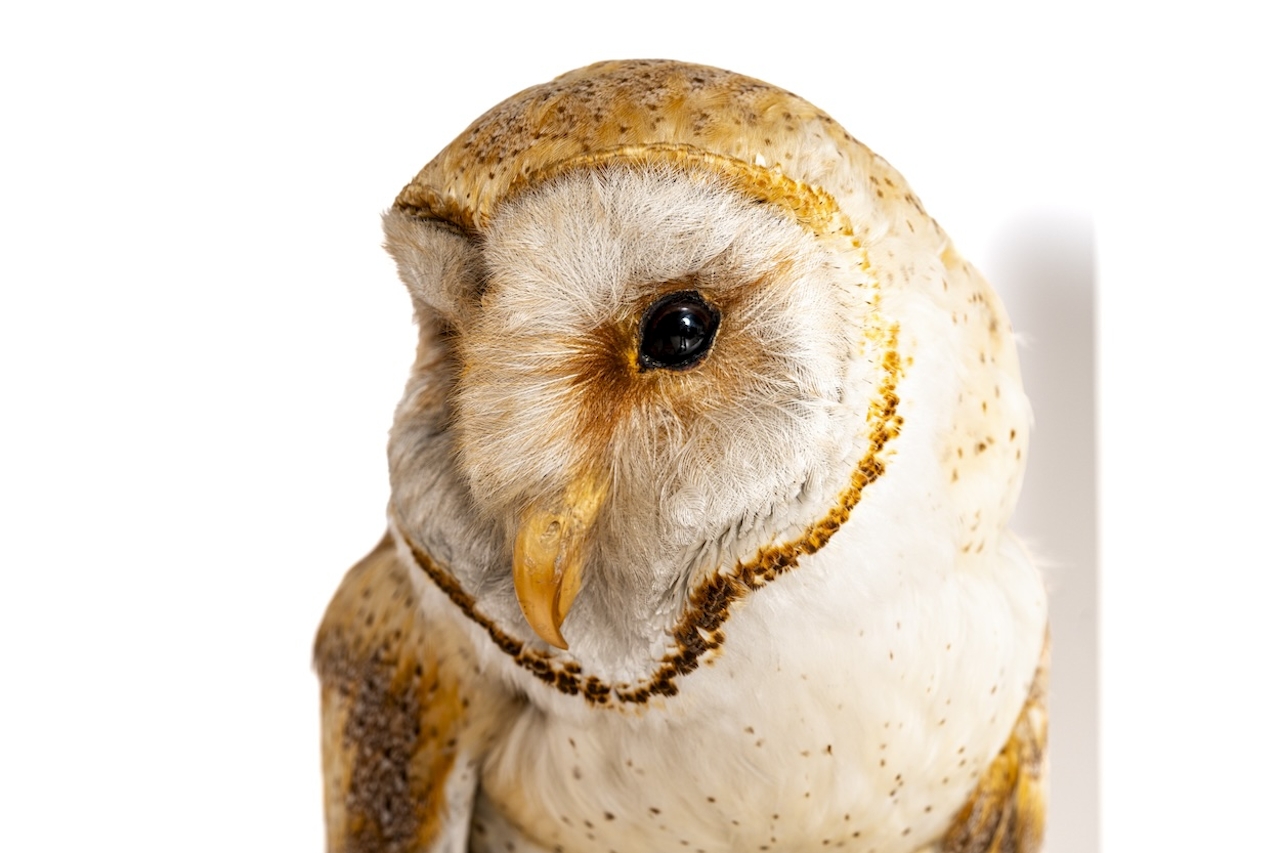
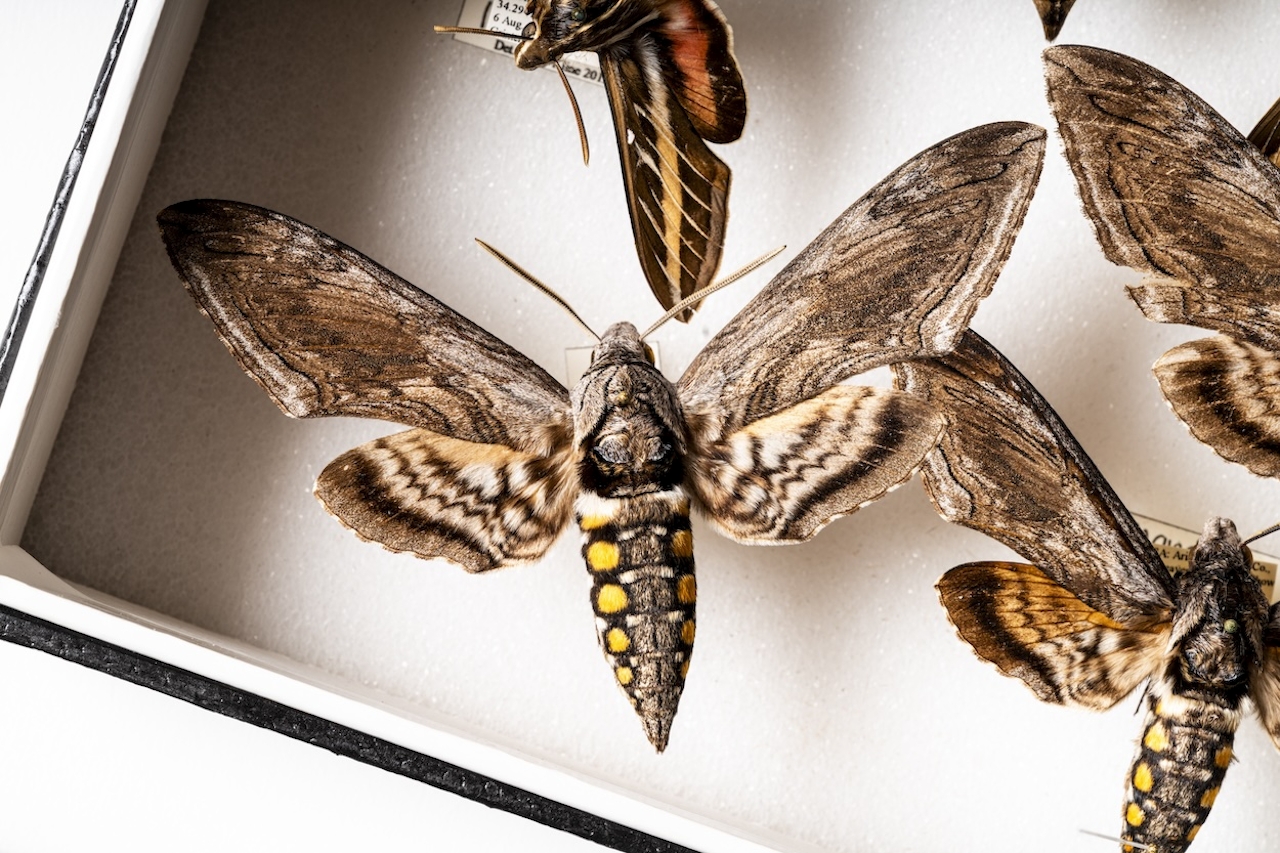
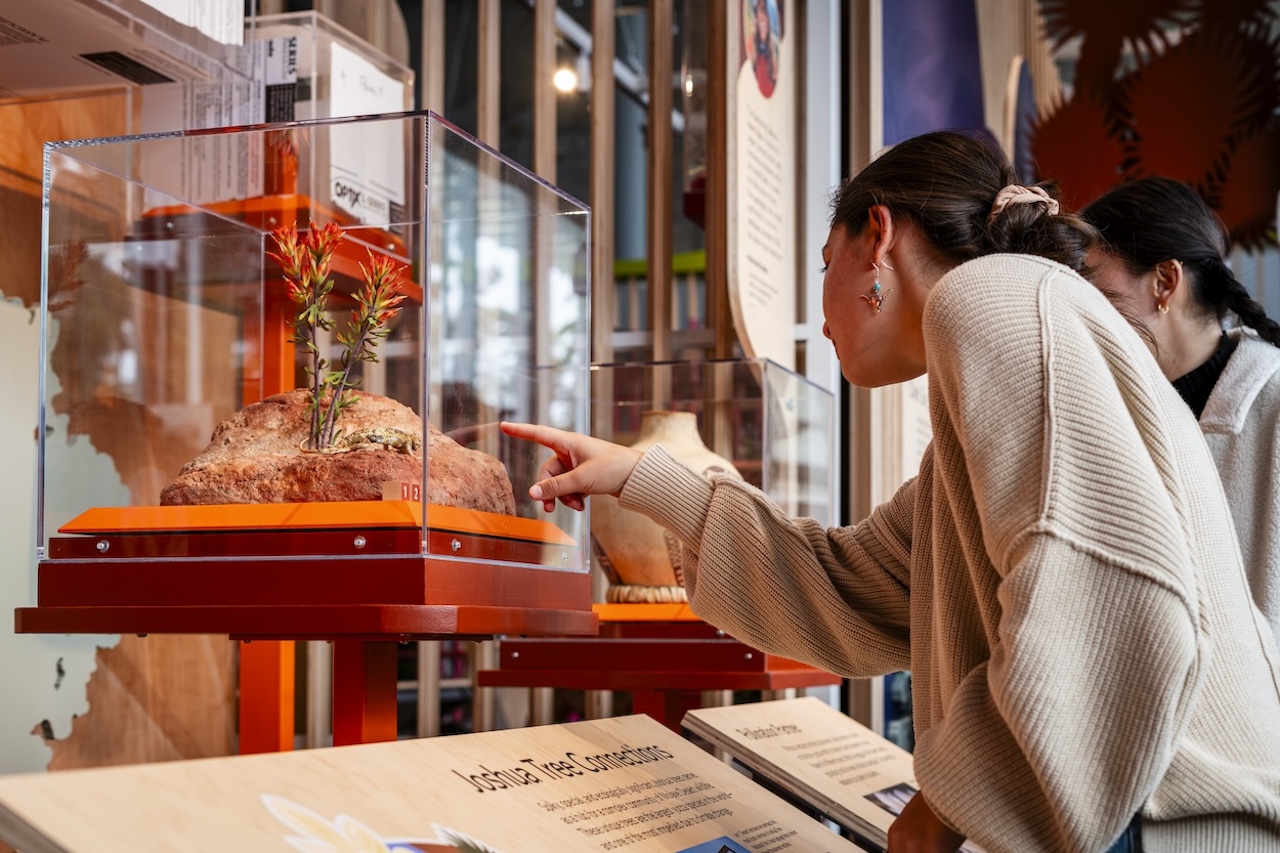
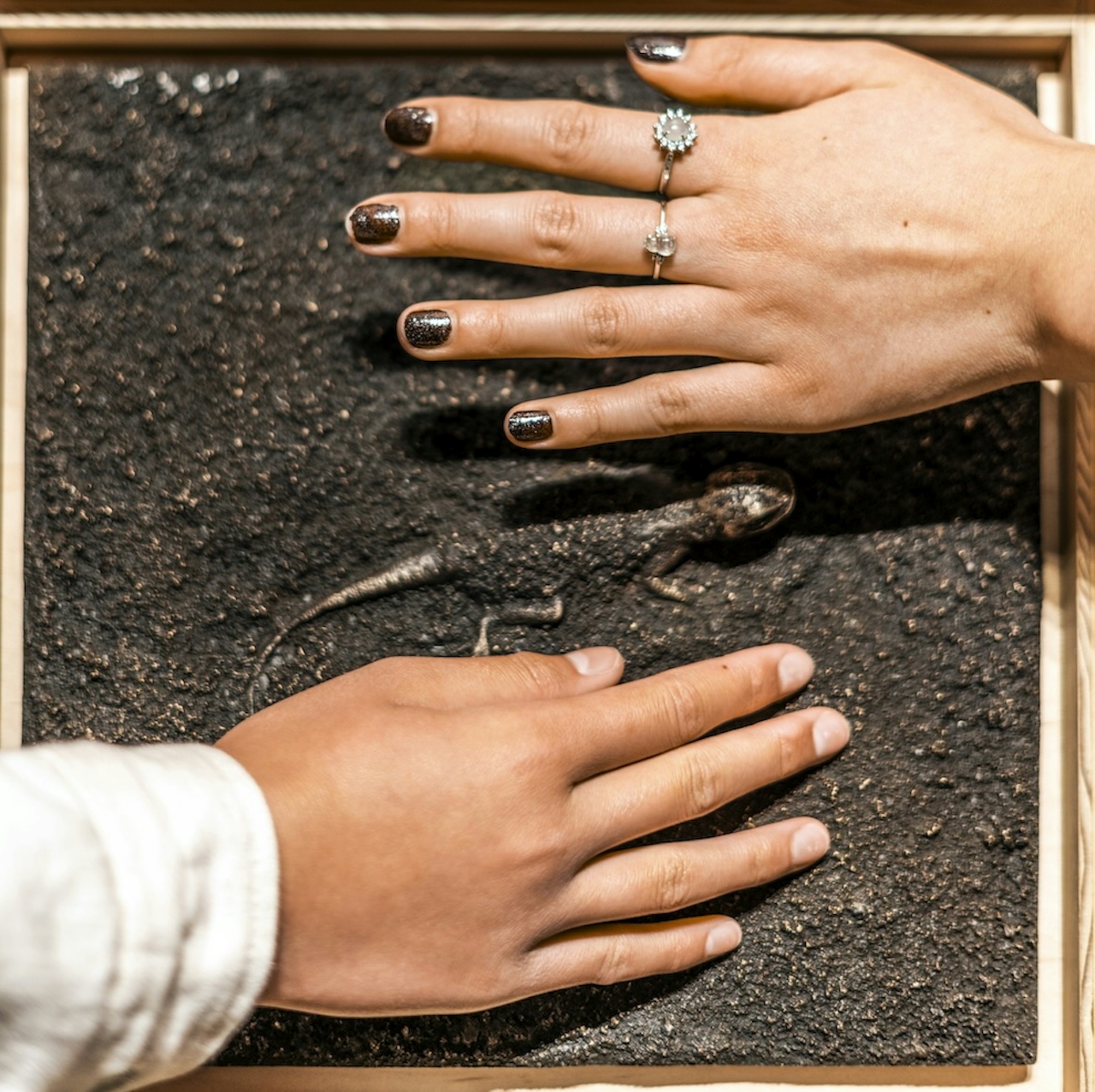
California’s deserts are mysterious in many ways, and the Wonderboxes at the Academy of Sciences’s new exhibition, California: State of Nature, help you learn more about their mystique through sight, sound, and touch.
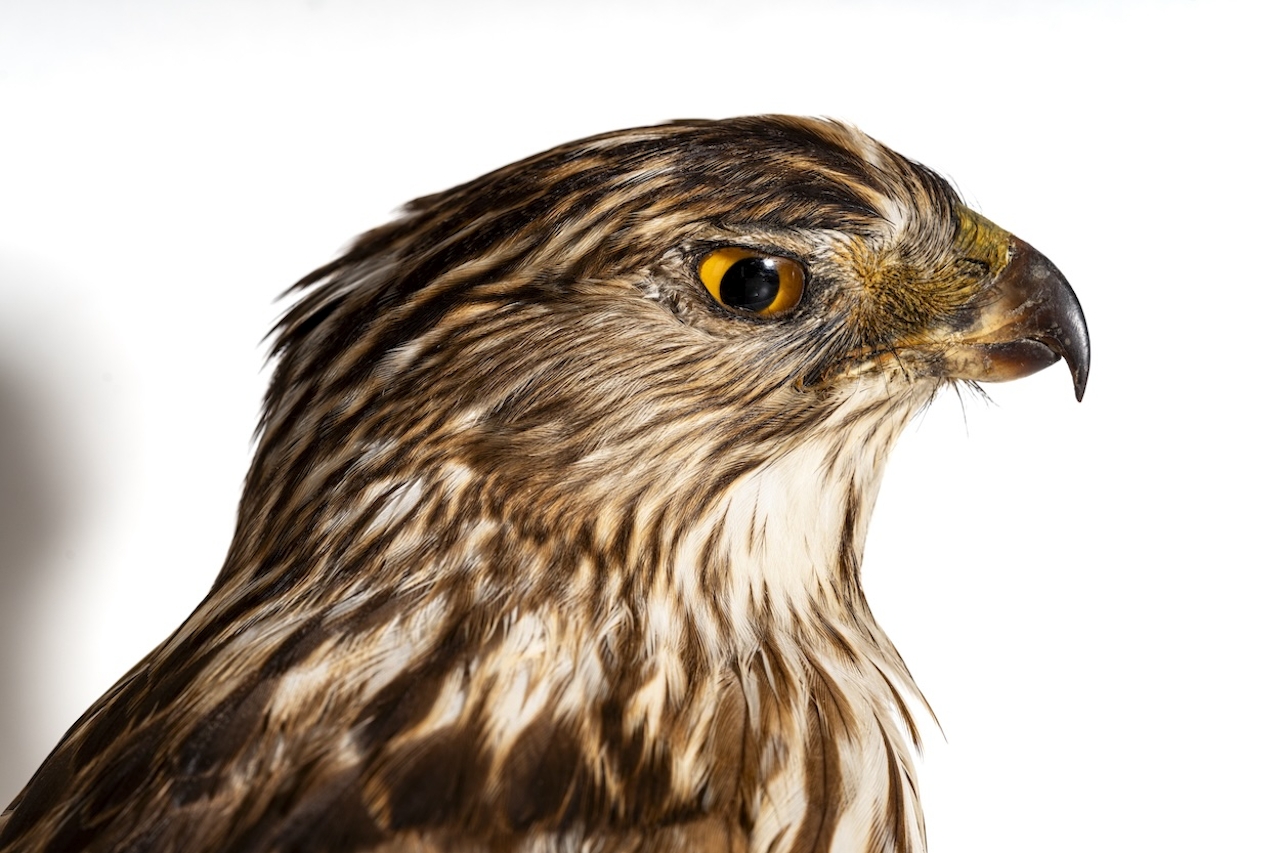
Touch the sand underneath a model Mojave fringe-toed lizard … feel that radiant heat? It’s what keeps these reptiles warm. Next, watch an owl peek out from the safety of its nest. Hear the screech of a hungry barn owl in search of its prey, the nimble kangaroo rat. Look inside a diorama and watch a dune scorpion navigate the sands using the starry sky as a map.
Rare and beautiful, superblooms happen after unusually wet and rainy seasons. In the desert, it can create a dreamscape of wildflowers, complemented by unexpected connections in the ecosystem. See an example of it in the exhibition with the awe-inspiring white-lined sphinx moths, which are particularly bountiful following a superbloom. Flowers bring an influx of insects like the white-lined sphinx moth, which in turn provide food for birds, which support prey animals, and so it goes….
TIP: Remember not to doom the blooms. Keep your Instagram beautiful by sharing responsibly photographed pictures. Stay on marked trails, find local parks with blooms, and park in designated areas only. Learn more about superblooms.
Now Take It Outside!
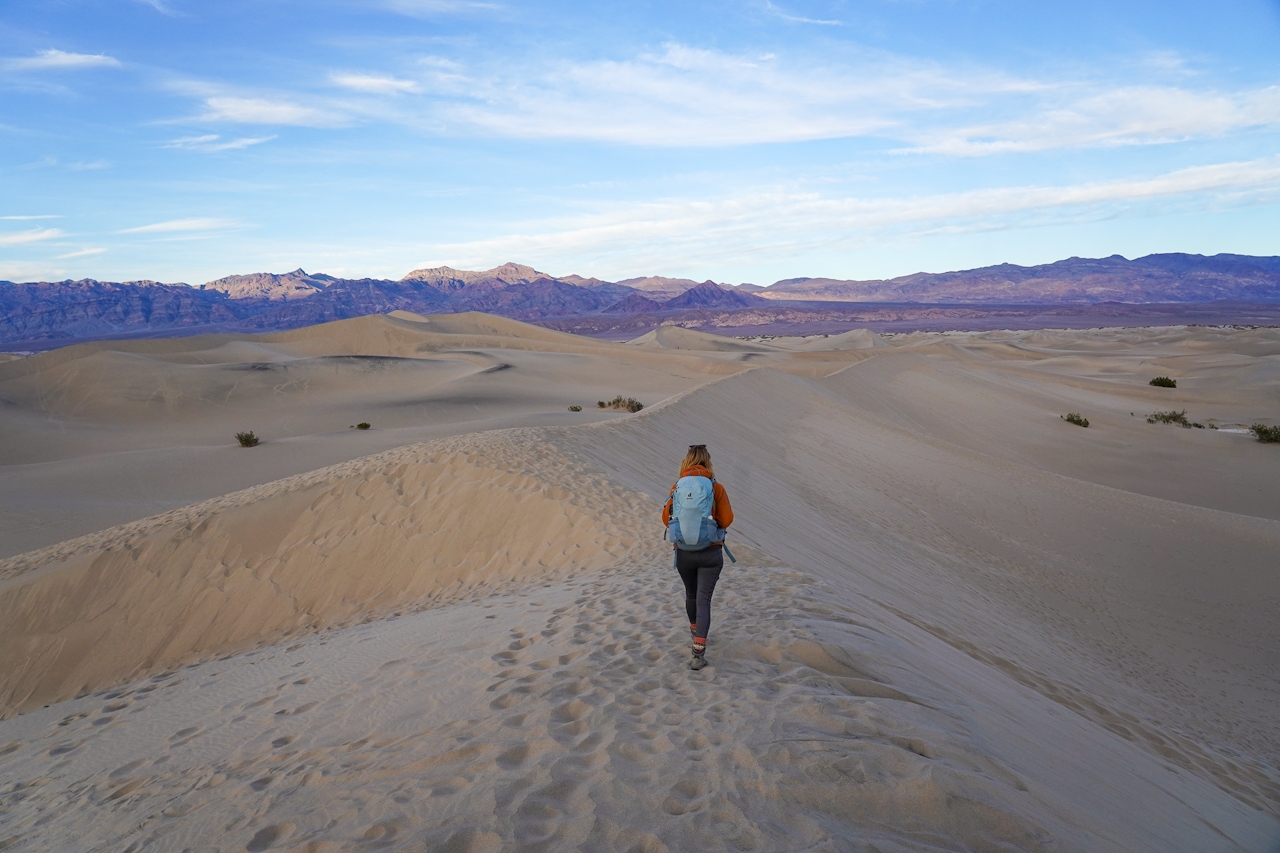
Experience the sights and sounds of the desert sands in Mojave National Preserve at Kelso Dunes. The surrounding Granite and Providence Mountains create crosswinds and eddies that keep the sands gathering in the same places, creating dunes.
Something unique about these dunes is they are only one of seven known “booming” dune fields in North America. The booming is a deep rumbling sound you might hear as you climb the dunes and displace sand—the smooth and rounded moving grains produce the sounds.
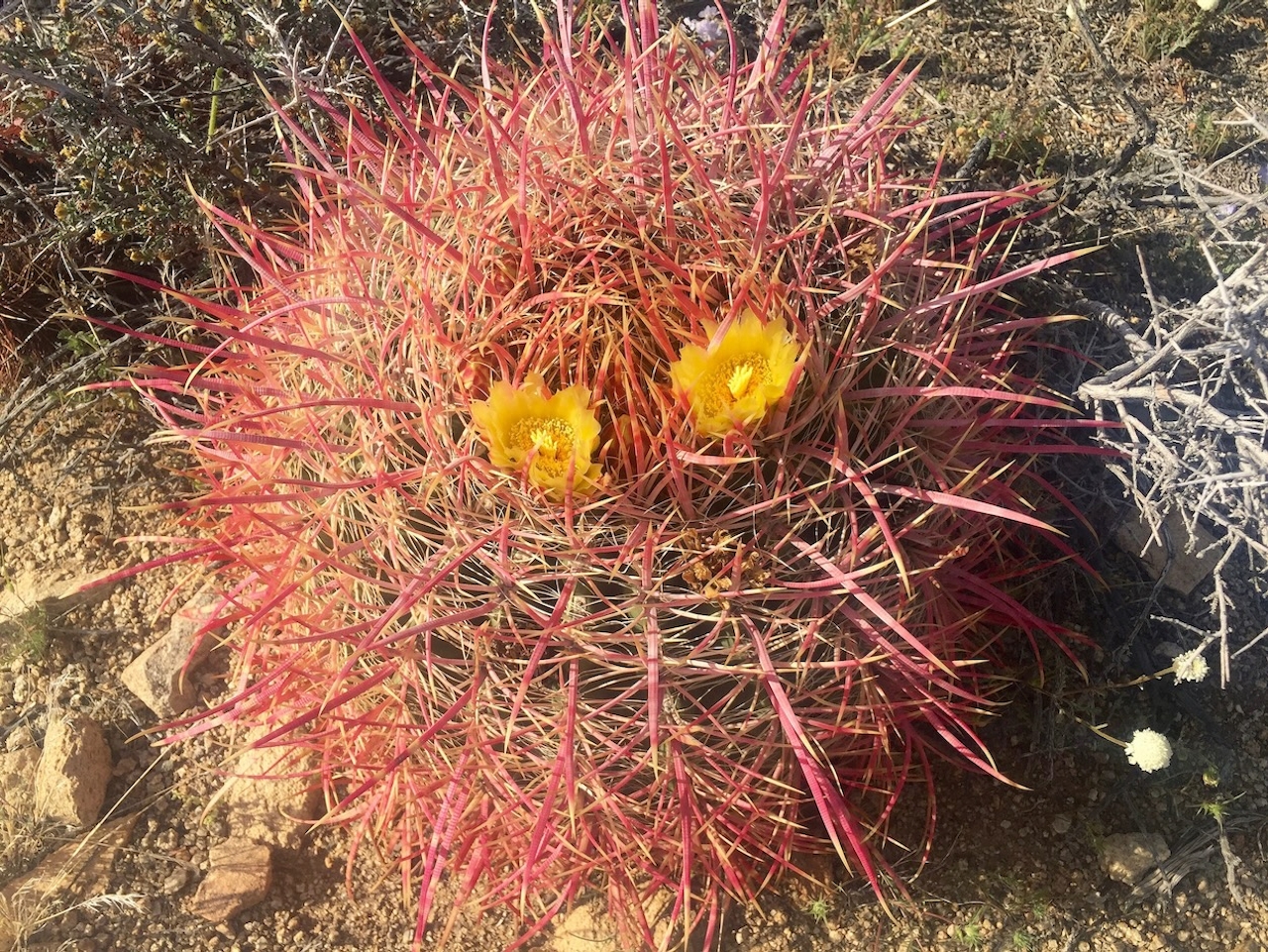
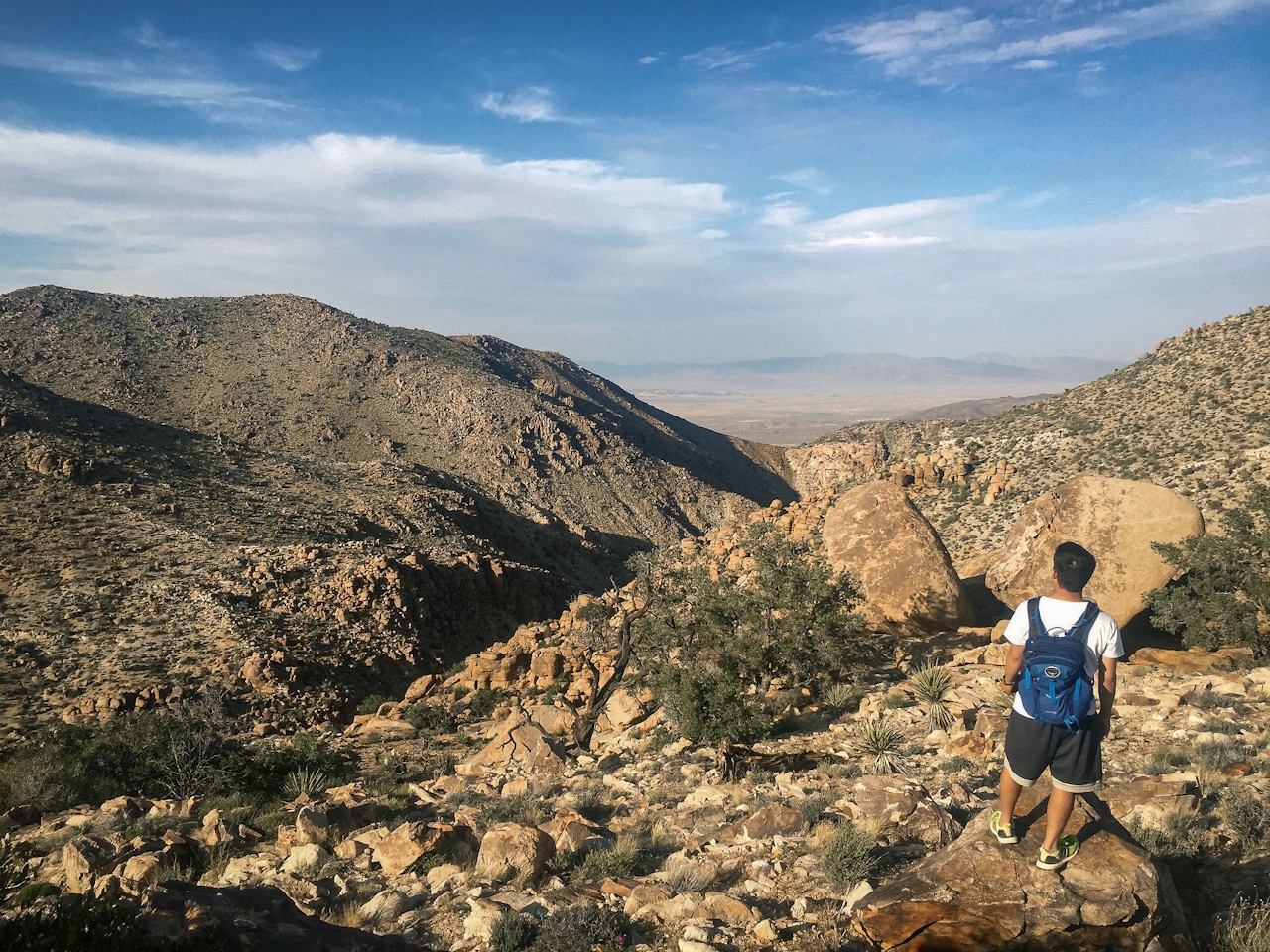
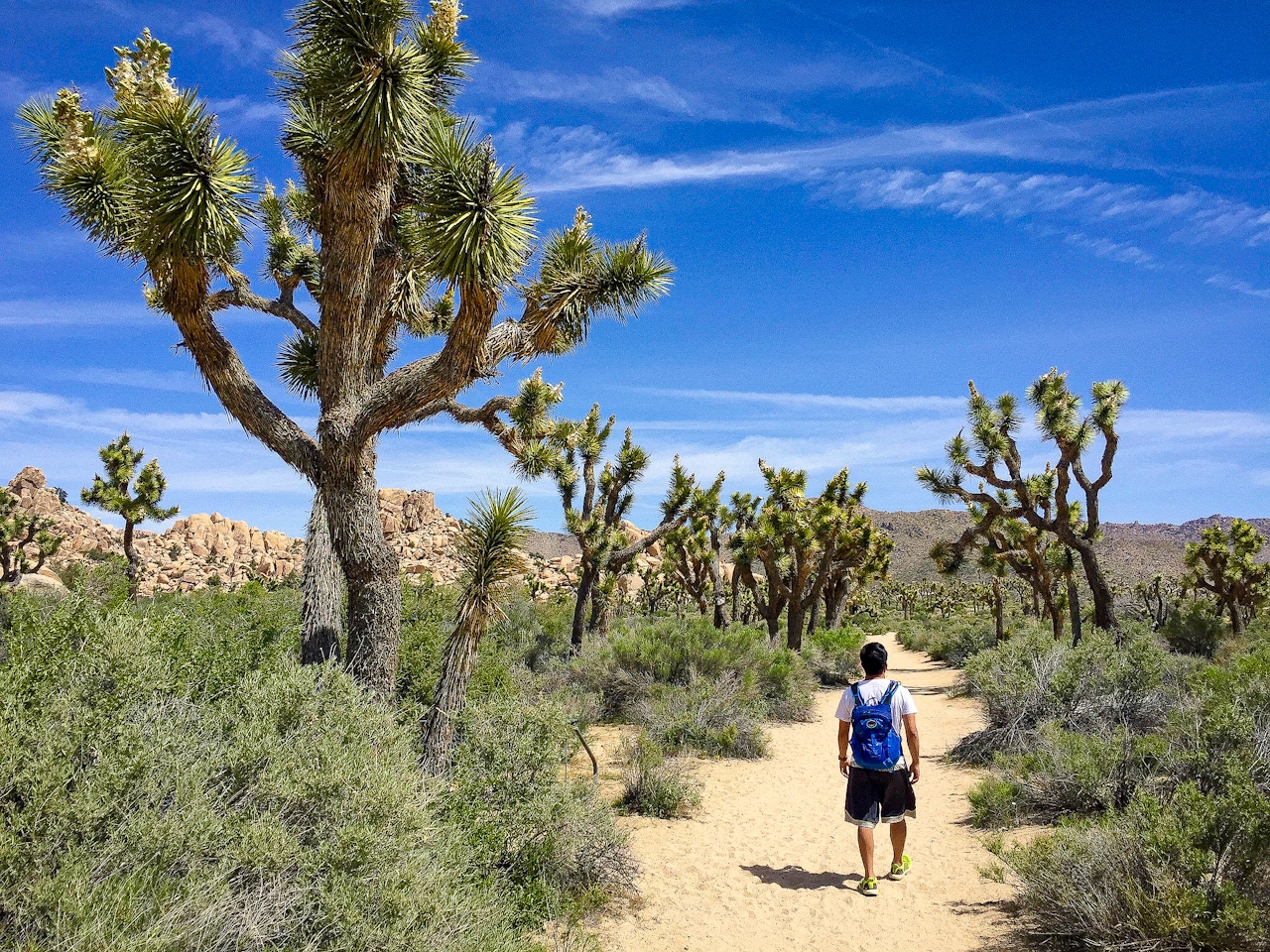
One of the most condensed and diverse displays of wildflowers of any hike in Joshua Tree National Park is at Pine City, which isn’t a city at all. It’s a 4-mile out-and-back hike, starting at 4,500 feet. The trail has no shortage of flora, with a multitude of teddy bear cholla, creosote, and juniper early on. Wildflowers here include hot pink blooms of beavertail prickly pear claret-cup cacti, and purple Mojave asters, to name just a few.
NOTE: Desert environments are best visited in cooler months, like winter and spring. Summer can spike to dangerous heat levels, so use good judgment about when you visit, and always check the forecast before going. Time your visit accordingly and be sure to bring essentials like plenty of water, sunscreen, and a hat.