Chasing Dark Skies: Southern Oregon
Explore Southern Oregon and the Outback's International Dark Sky Sanctuary


Do you know what nearby state is home to the largest Certified Dark Sky Sanctuary in the world? Where city lights don’t stand a chance against the vast, untouched landscape? Pack the car and head north to our beautiful neighbor, Oregon. Chasing dark skies is more than an adventure here—it’s an illumination of awe and wonder, sure to leave you moon-struck.
Celestial Scenery & Soaks
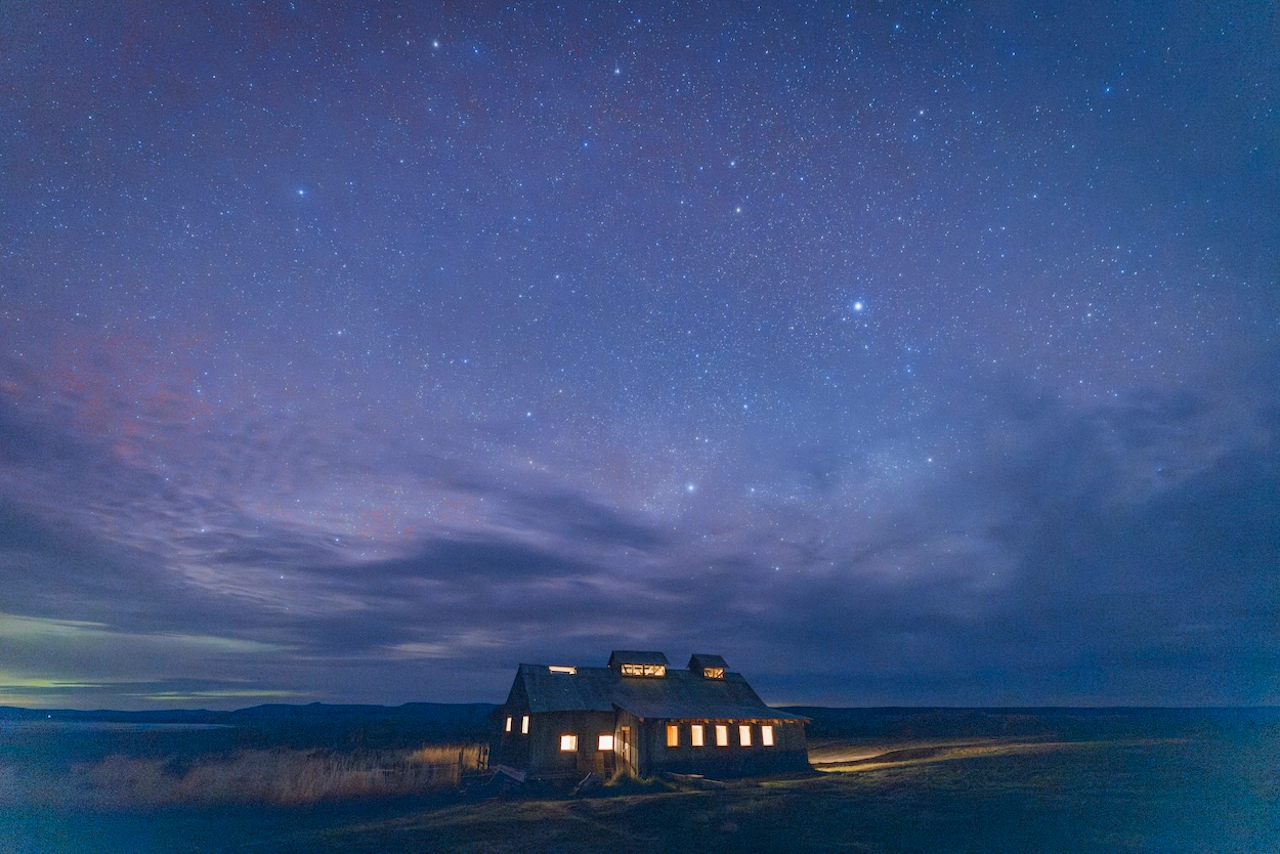
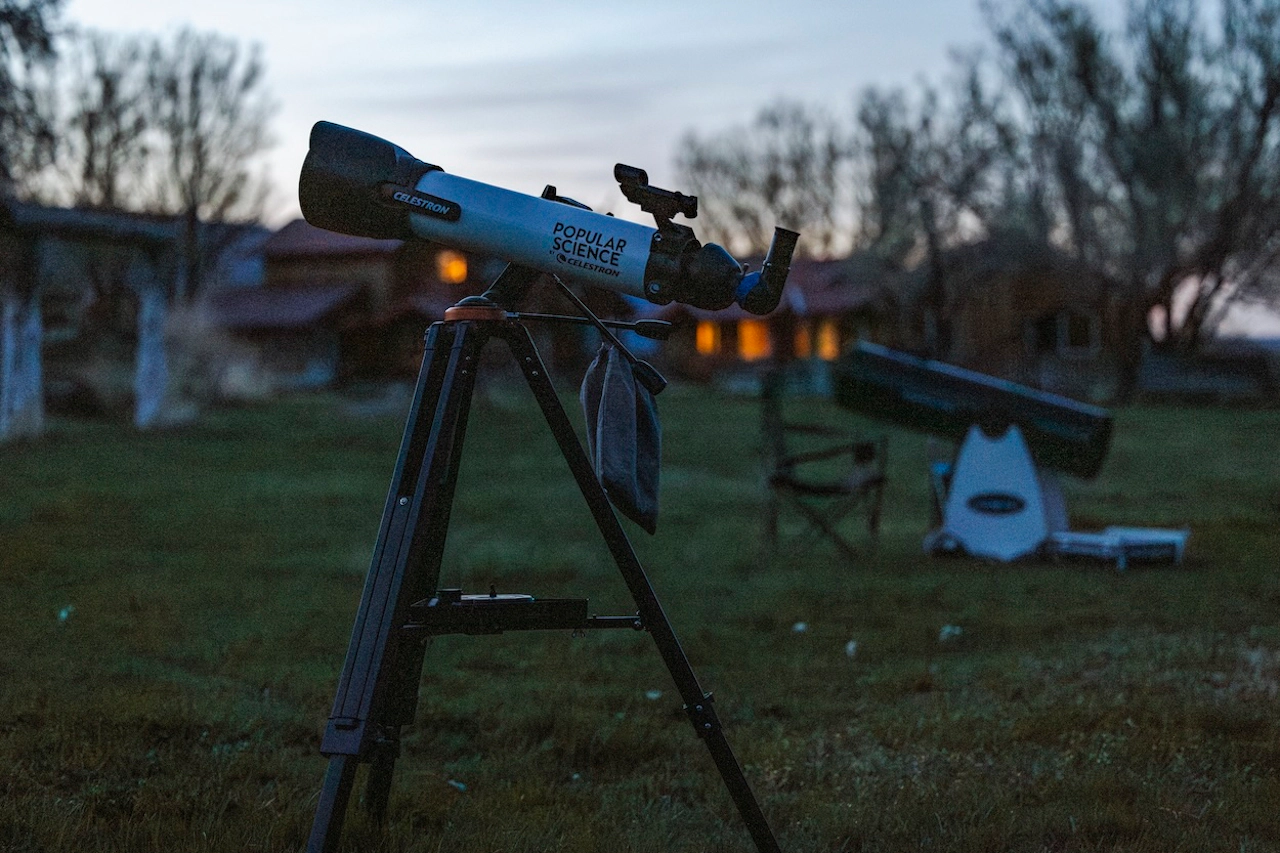
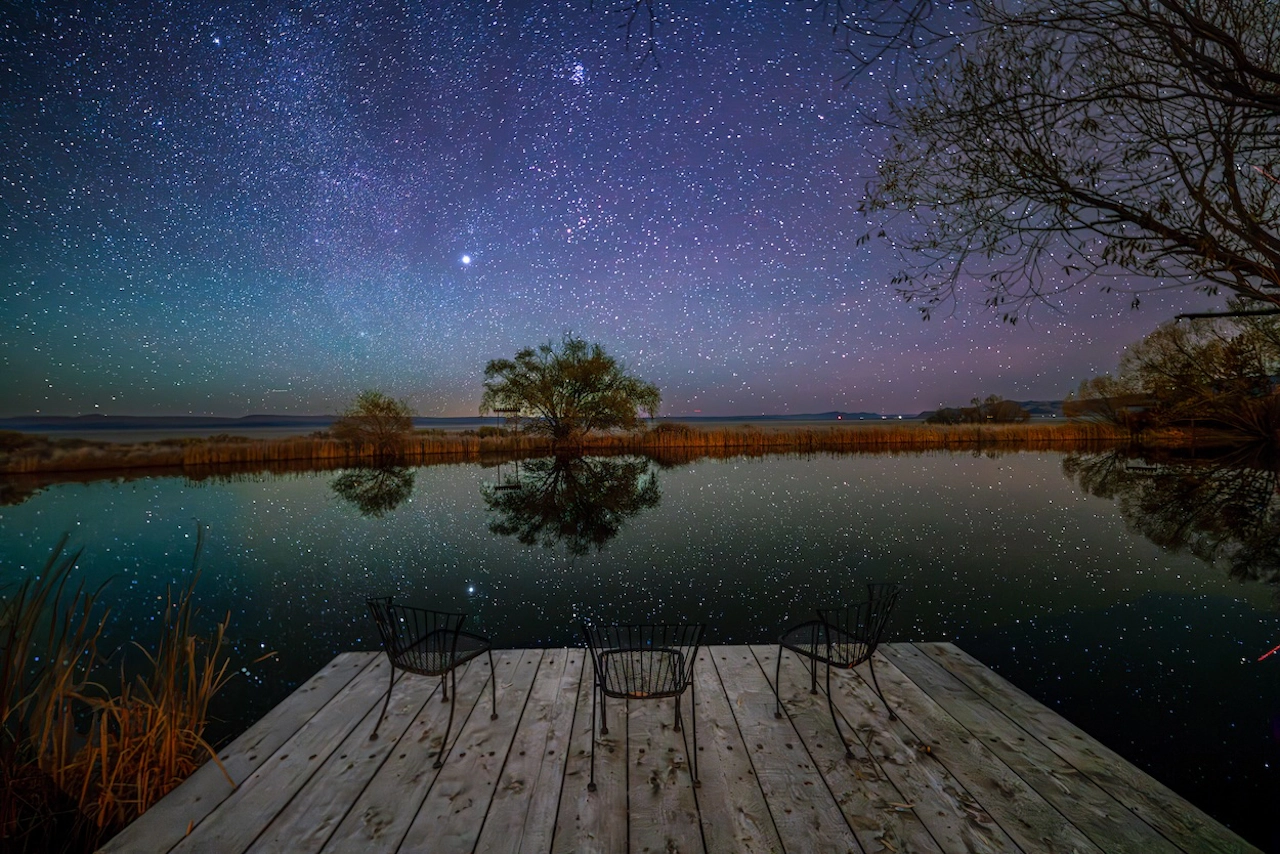
Hot springs, hiking, lodging, antelope, and one of the world’s best places for looking up at night. The Oregon Outback International Dark Sky Sanctuary still feels like a secret, with legendary status as the largest Certified Dark Sky Sanctuary on the planet.
You’re probably going to want a few nights here because the Oregon Outback’s trio of hot springs around Lake County combine stargazing with deep hot soaks. Oh, your bones are ready!
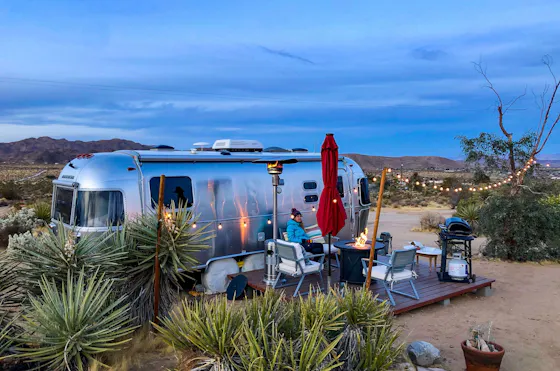
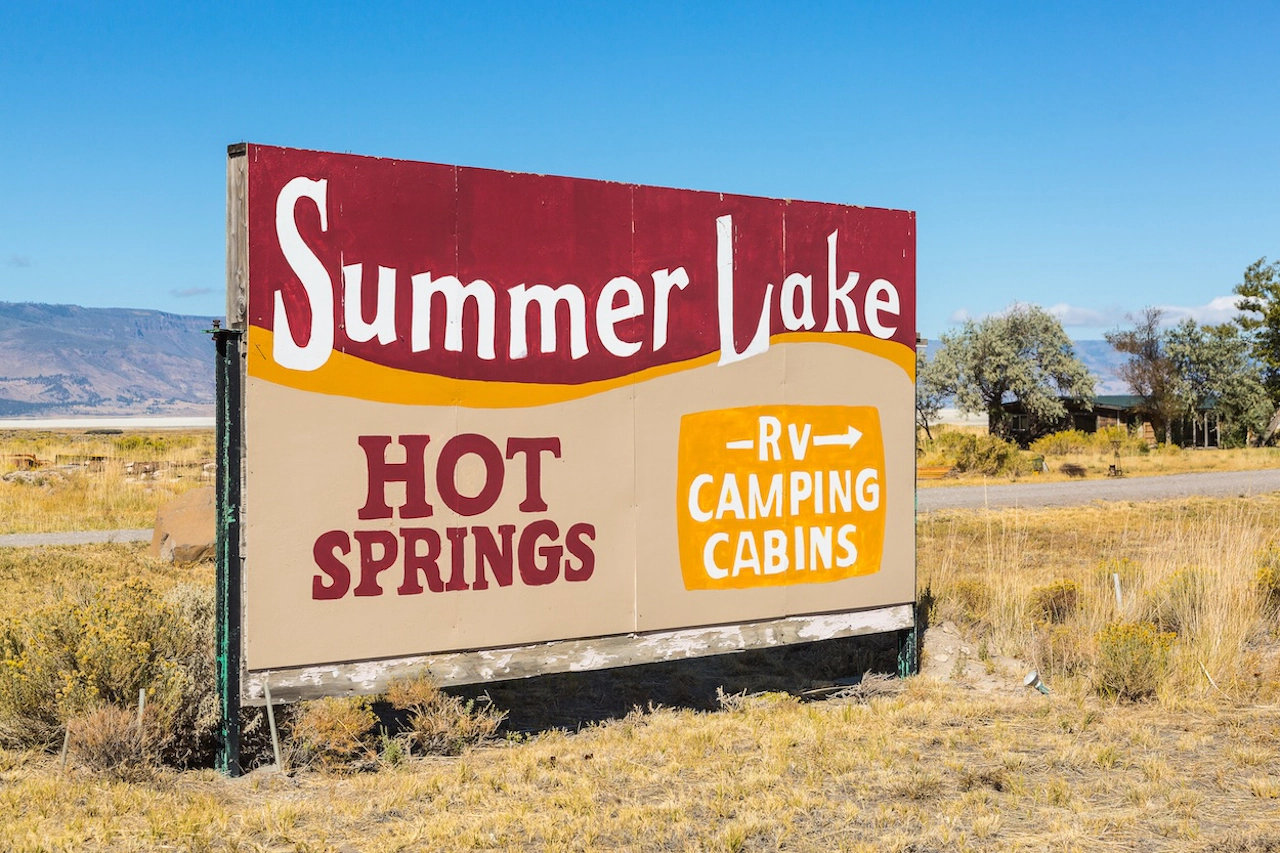
Sink into Summer Lake Hot Springs Resort. Cabins, campsites, and RV spaces let you step outside and take a moon bath (highly recommended)! One of the best times to be here is around the new moon, but don’t worry—the stars are visible during the entire moon cycle. The rustic, mineral-fed soaking pools here sit in the Oregon Outback’s vast landscape, beneath a sky packed with stars.
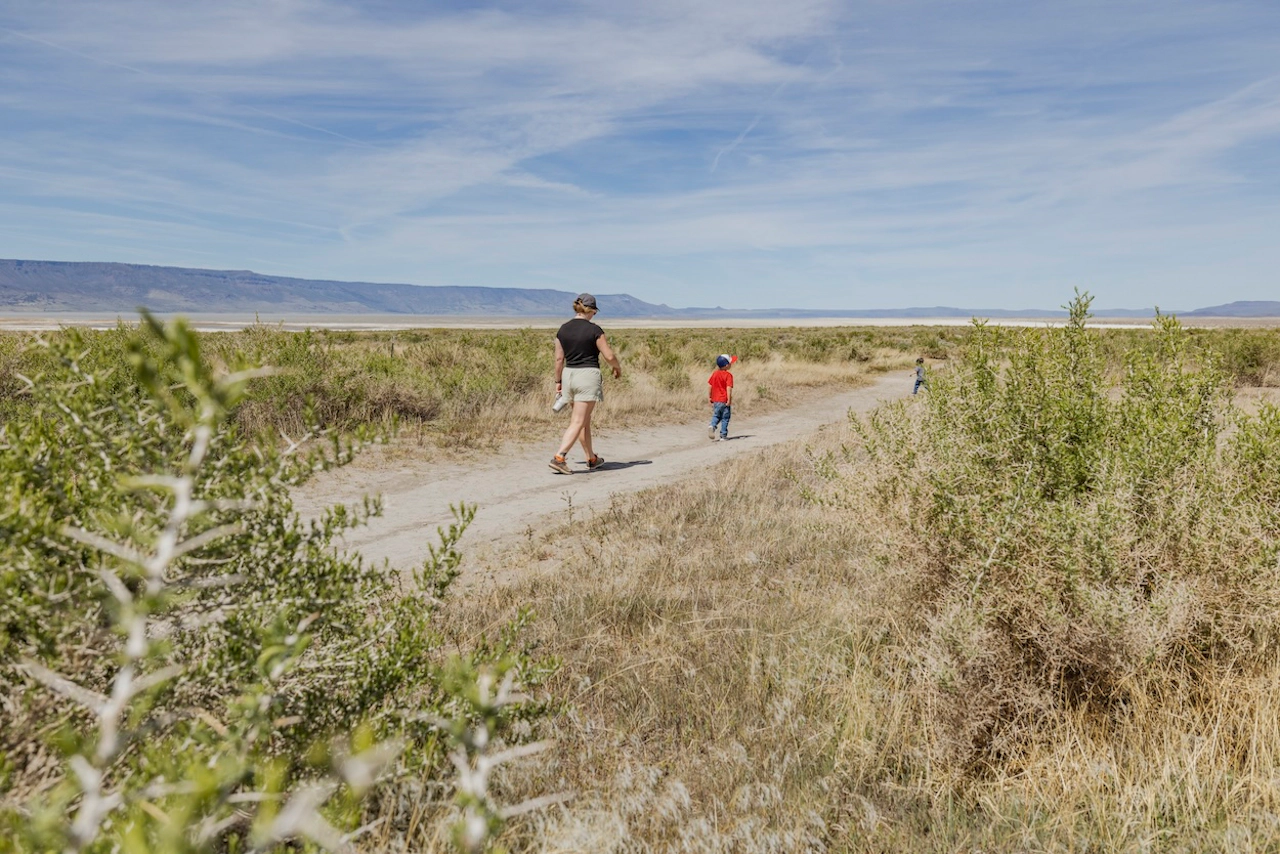
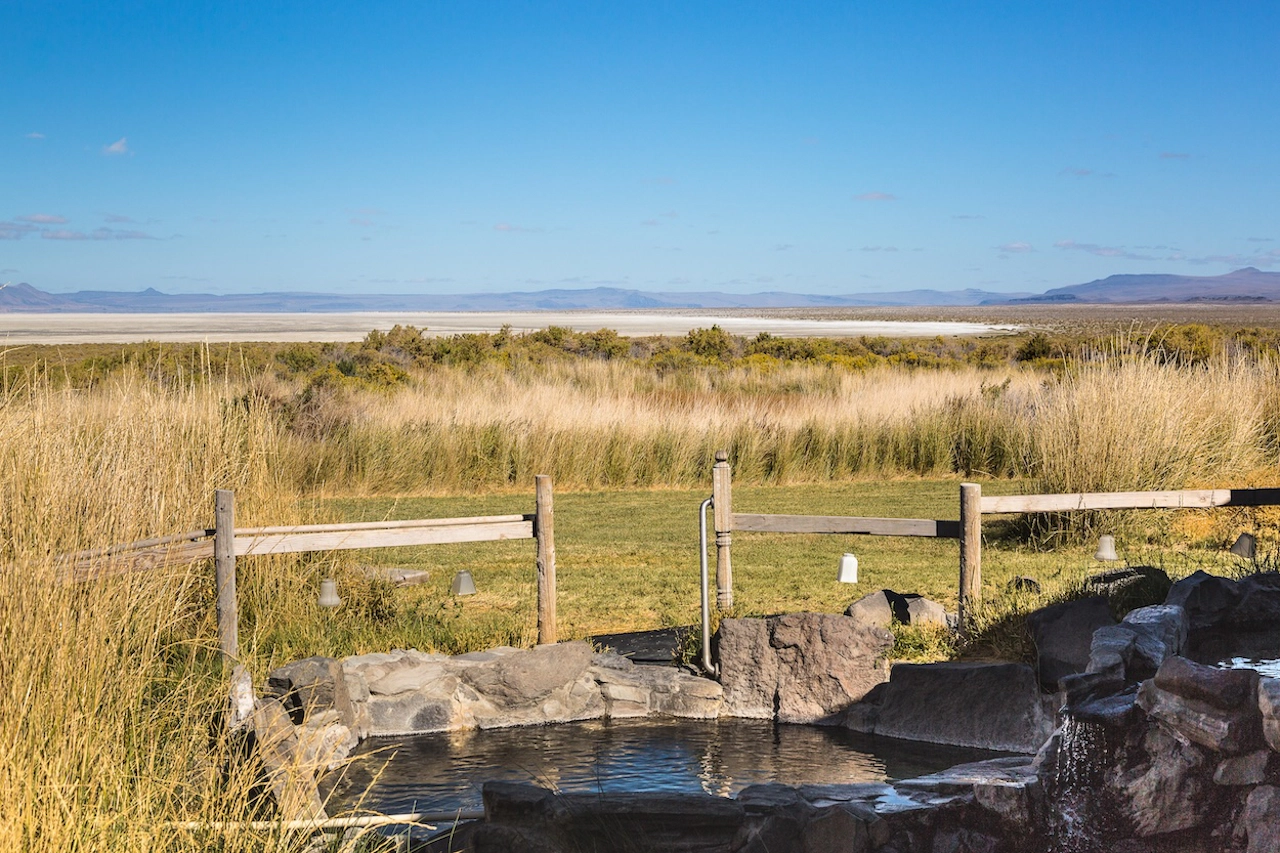
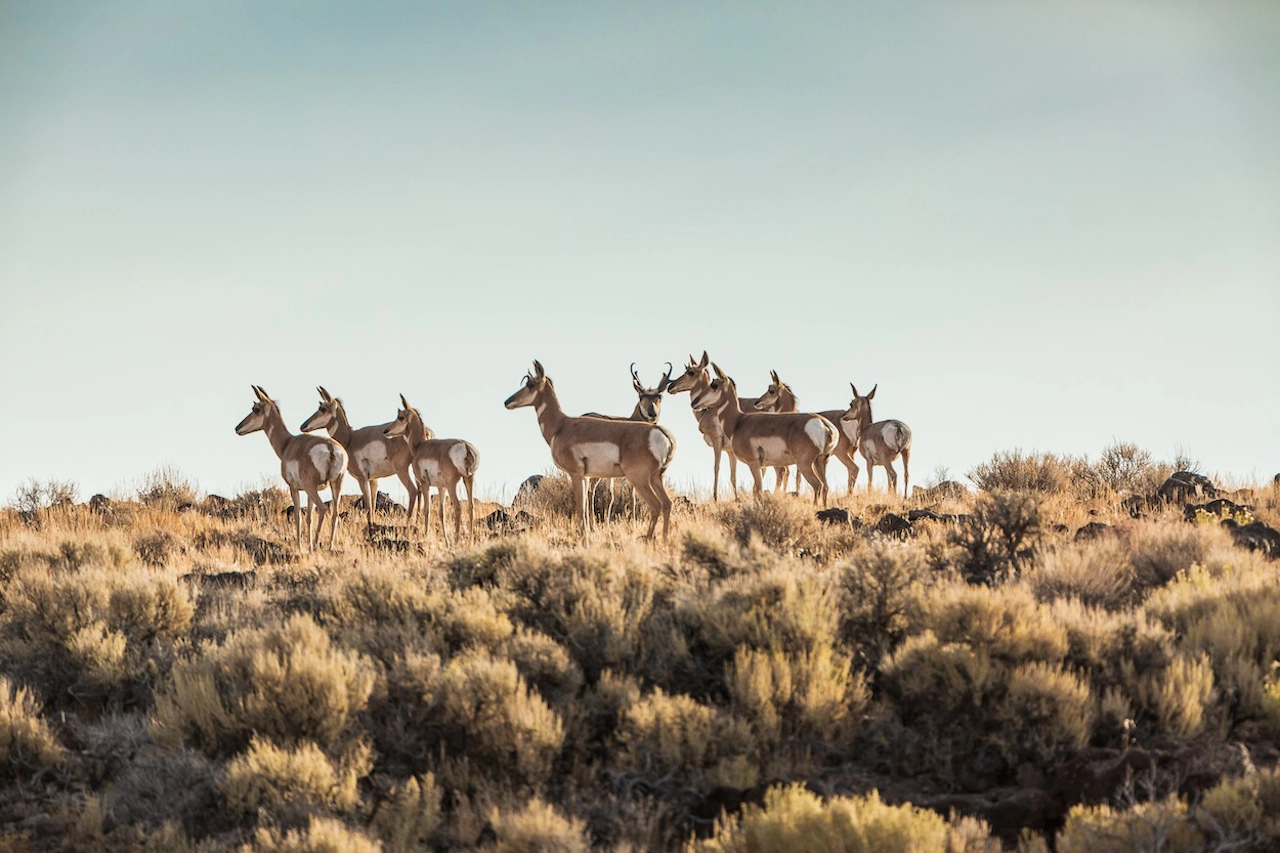
During the day, set your sights on Hart Mountain National Antelope Refuge, where pronghorn antelope roam the high-desert terrain. At night, soak yourself under the stars in the Hart Mountain Hot Springs, and set up camp in the vast wilderness. Pro Tip: This is a clothing-optional hot spring, so don’t be surprised by full moons not listed in the Farmers’ Almanac.
Old Perpetual will probably feel new to you. It’s a 60-foot geyser at historic Hunter’s Hot Springs Resort, a lovely spot for lodging, lounging, and lingering past dark in its 104ºF swimming pool.
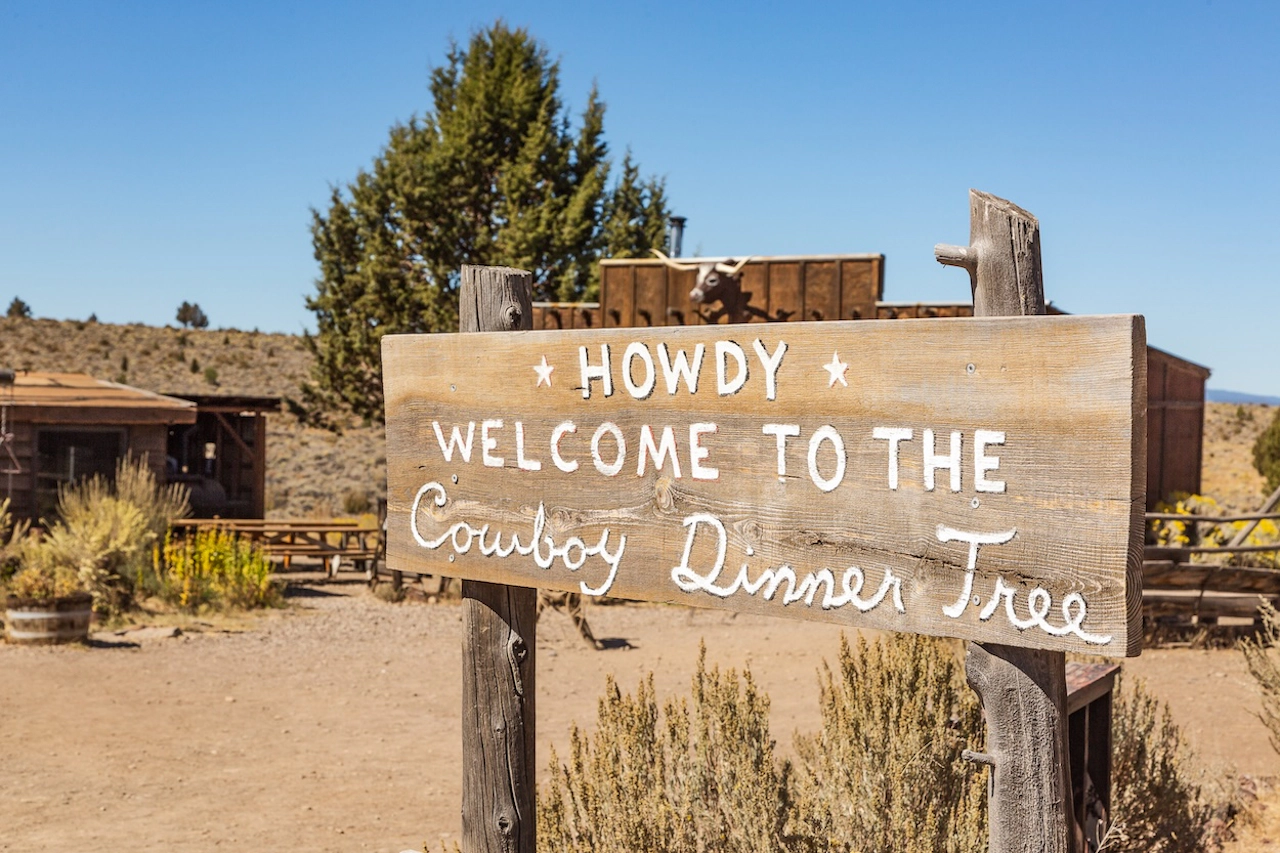

Lodging, Food + Drinks: Hunter’s Hot Springs’ on-site restaurant and bar, The Geyser, serves up casual eats, handcrafted cocktails, and plenty of Oregon Outback friendliness and character. A pioneer in saloons, Pioneer Saloon and Restaurant is right on Highway 31in Paisley and close to the hot springs. Burgers and pizza speak to the kick-back casual fare, just like the locals prefer. The Lodge at Summer Lake has the onsite Flyway Restaurant—ready for breakfast, lunch, and dinner (bread and desserts are homemade, yum). Then there’s an ultimate destination dining experience at Cowboy Dinner Tree, where the big sky meets big appetites: whole roasted chicken and 26-ounce steaks are signature plates.
Go Deep, Look Up
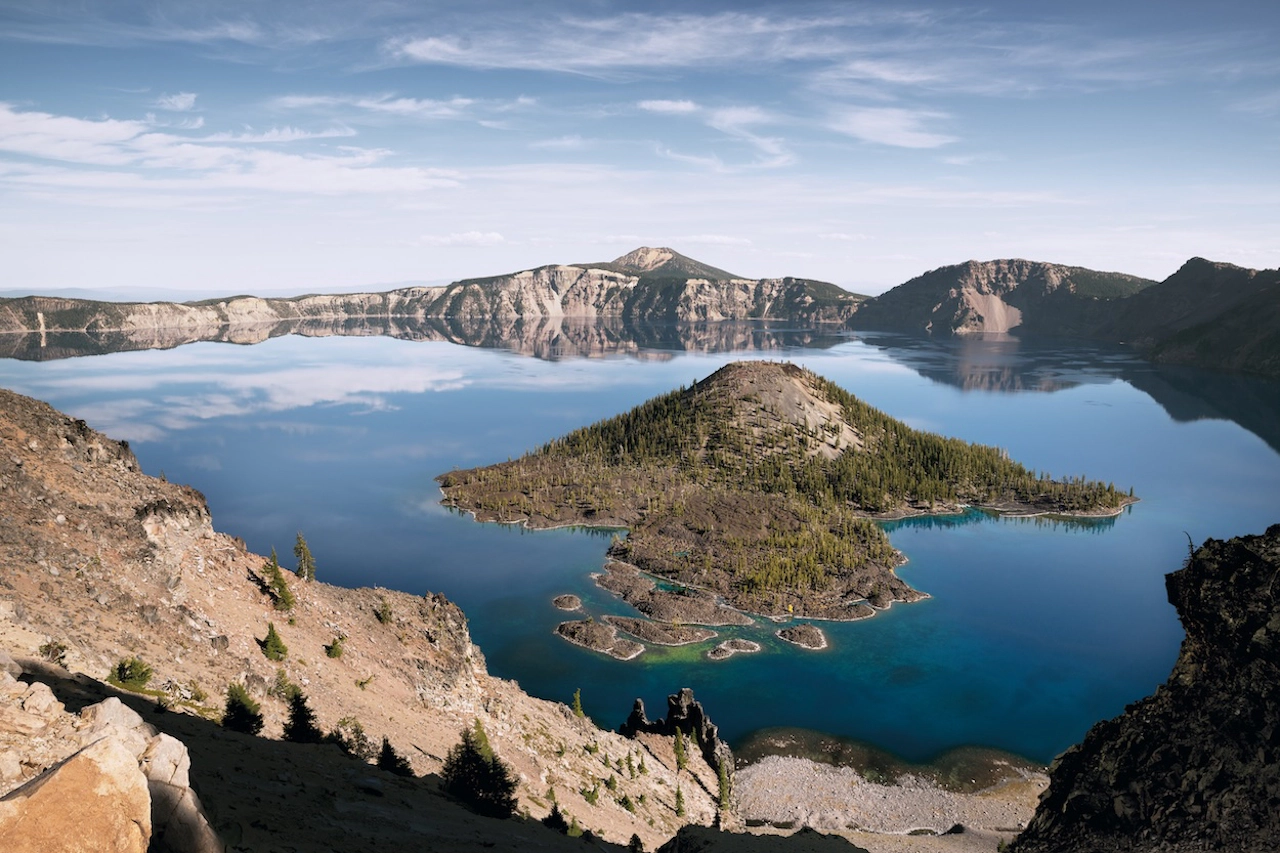
Adventure doesn’t stop at sunset in places like Crater Lake National Park and Oregon Caves National Monument & Preserve. Day visits here are filled with hiking and spelunking, but some of the best sightseeing also happens after dark.
As Oregon’s only national park, with the deepest lake in the U.S., it’s mesmerizing to see Crater Lake transition from its sapphire-blue hue to glassy black as darkness falls. Crater Lake’s Wizard Island rises like a ghostly silhouette amid the lake. Head to one of the park’s rim overlooks for a sunset, moonrise, starry-sky trifecta. Ranger night-sky programs are offered during parts of the year.
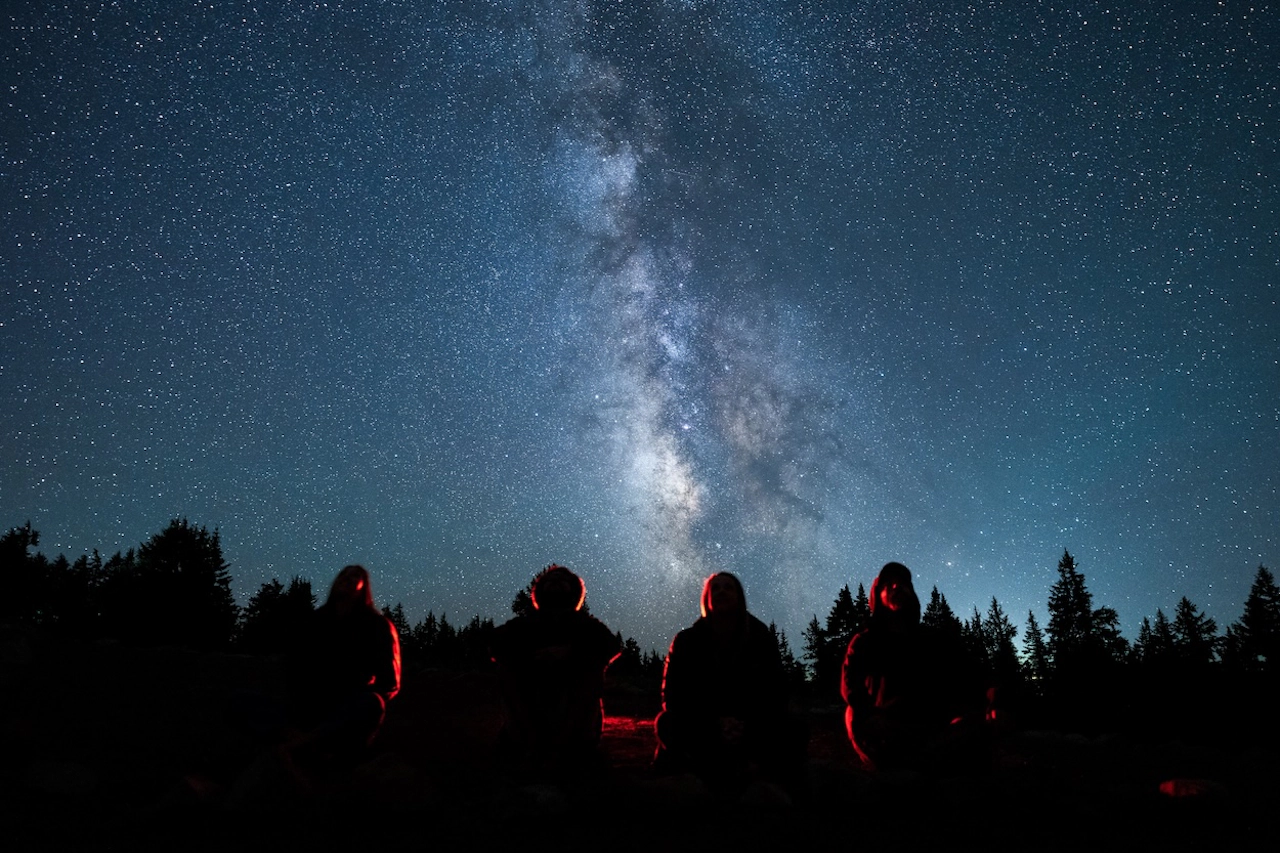
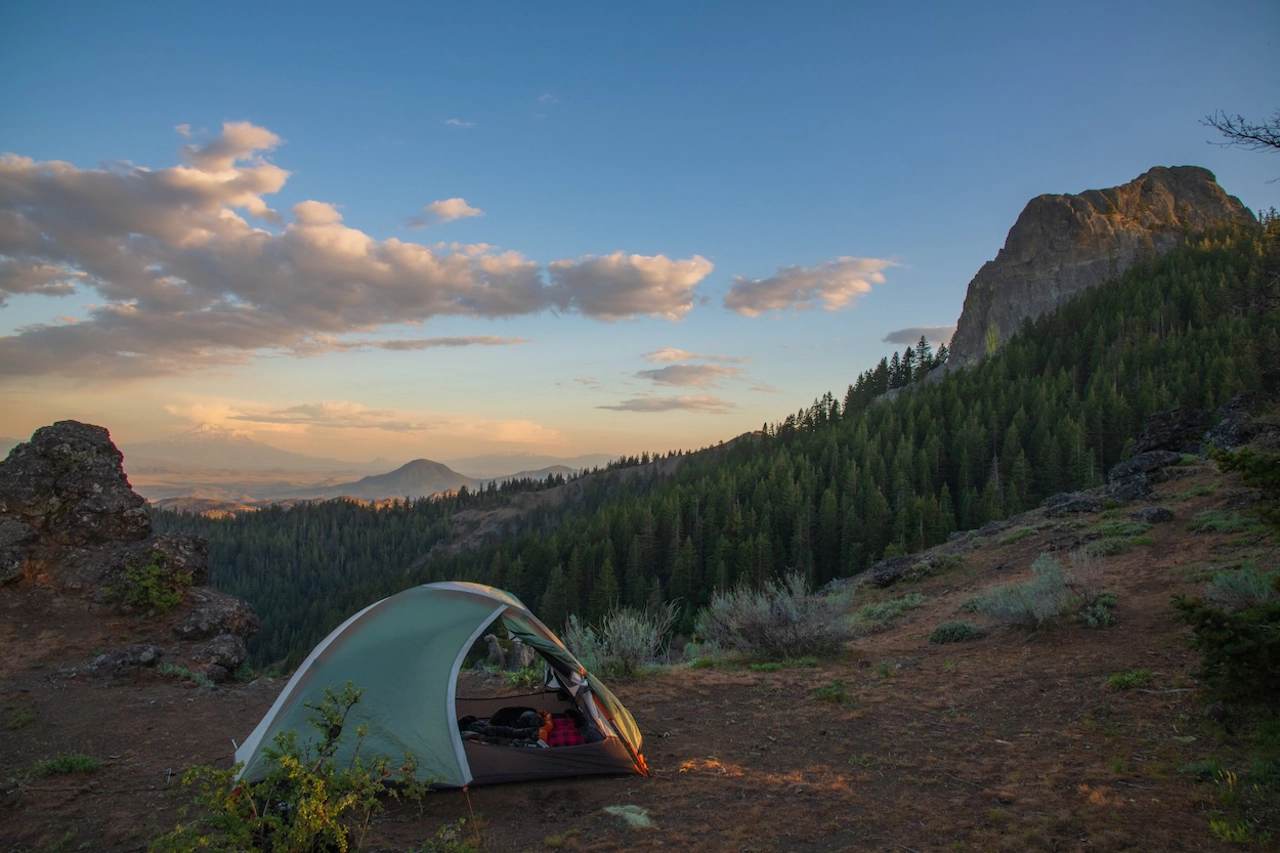
Backcountry camping and the stately Crater Lake Lodge (seasonal) are ways to spend the night.
Crater Lake National Park is about an hour's drive north of Klamath Falls, making it an easy daytrip. From Medford, it’s about 2 hours to the south entrance.
Make your way southwest from Crater Lake, through Grants Pass, to Oregon Caves National Monument & Preserve, a Certified Dark Sky Park in the Siskiyou Mountains. It’s where subterranean meets celestial.
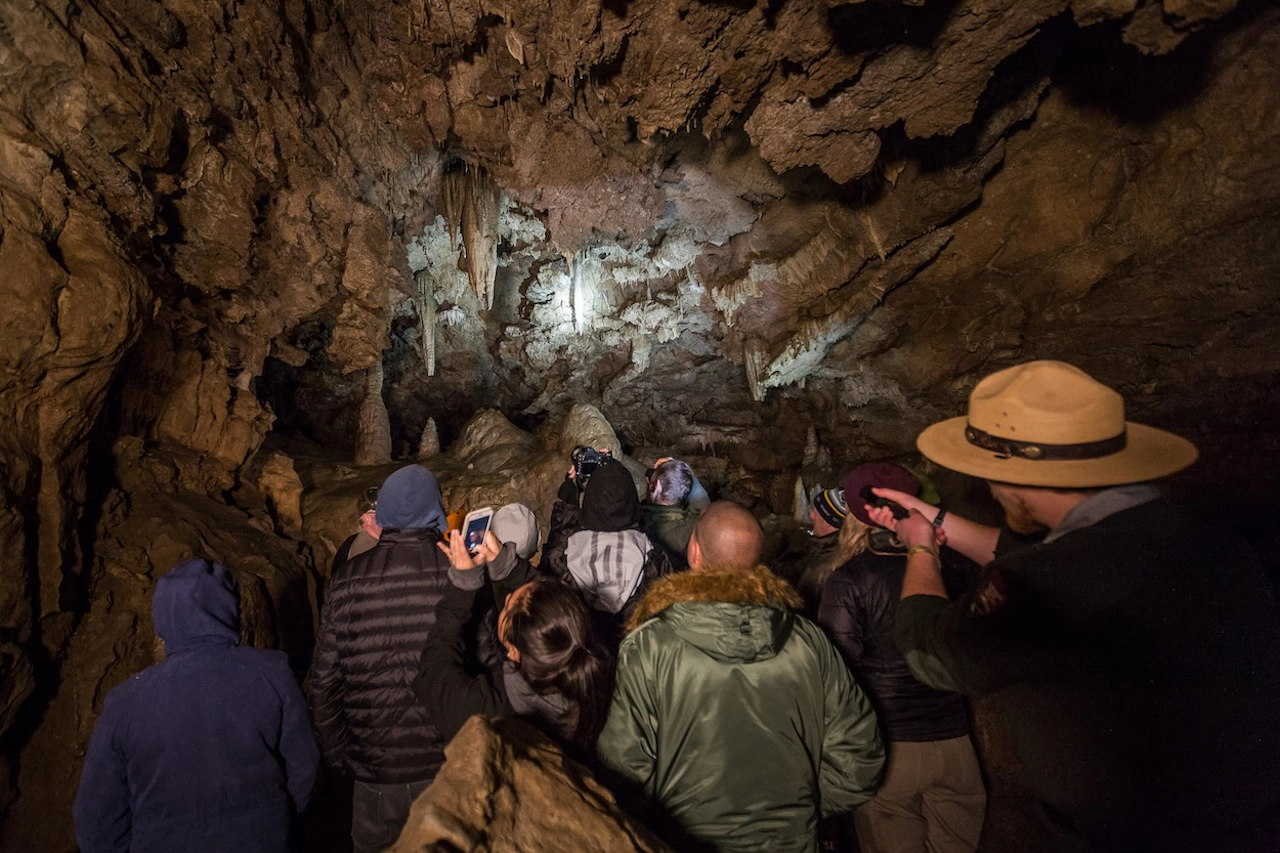
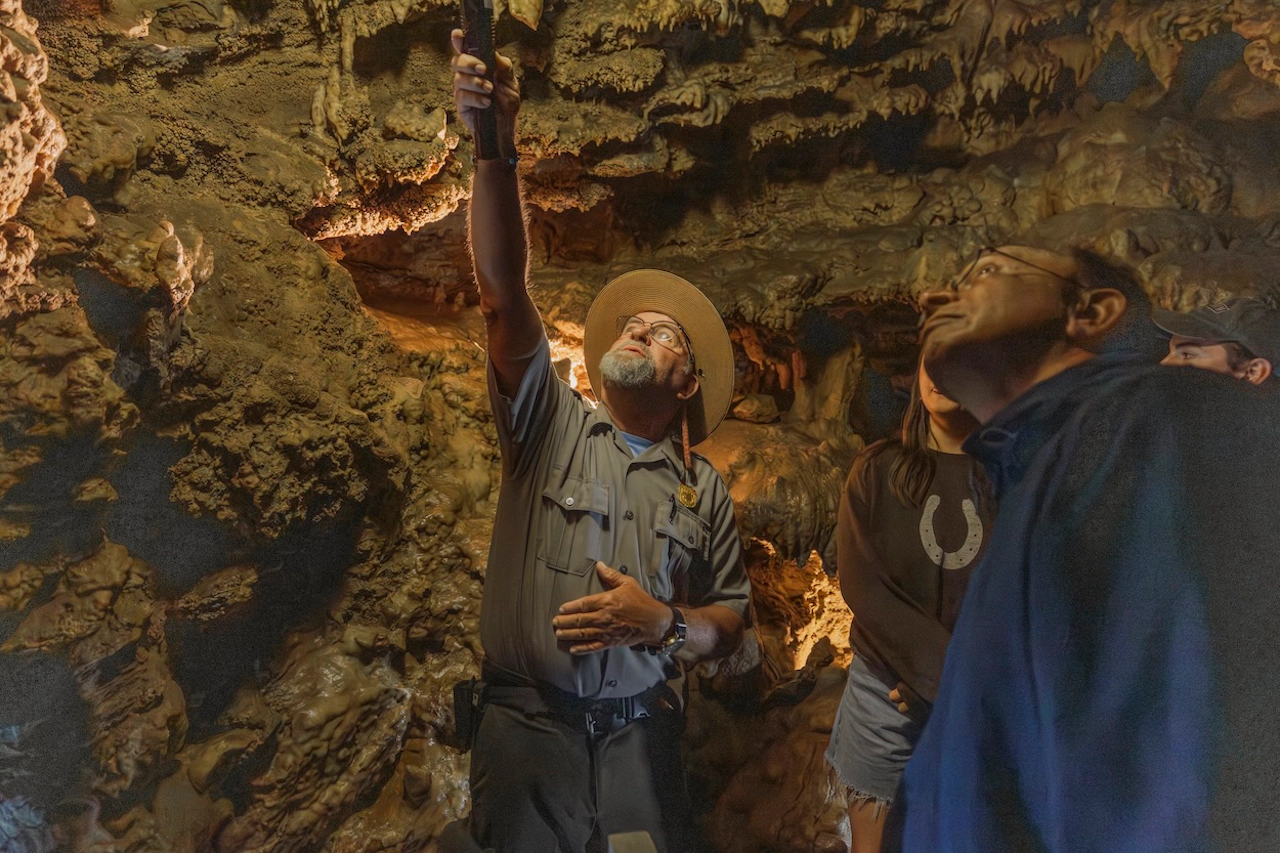
Double your darkness by going underground on the Discovery Cave Tour, following a ranger through snaking marble passages. Then come back out for nightfall, when the views move from underground to overhead. Clear, moonless evenings bring a brighter focus to the Milky Way, far-off galaxies, and the annual Perseid Meteor Shower Viewing. Check the park calendar for ranger-led constellation tours and telescope viewings, plus other events.
Pro Tip: For some of the biggest views, head to Bigelow Lakes or Bolan Peak Lookout.
Easy Does Dark
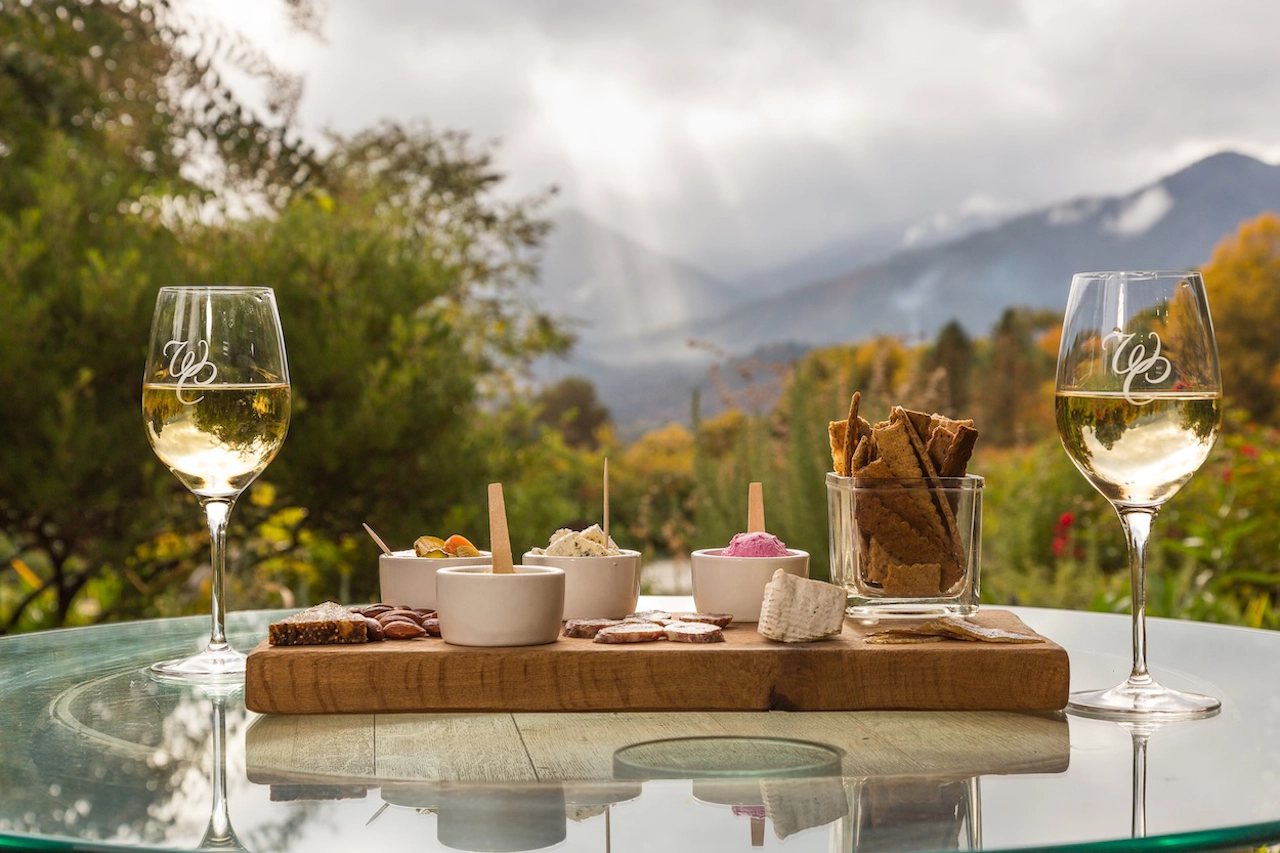
In Southern Oregon, you don’t have to venture deep into the Outback to experience the wonders of dark. Around Ashland, Jacksonville, and the Applegate Valley, stellar night skies are surprisingly close by.
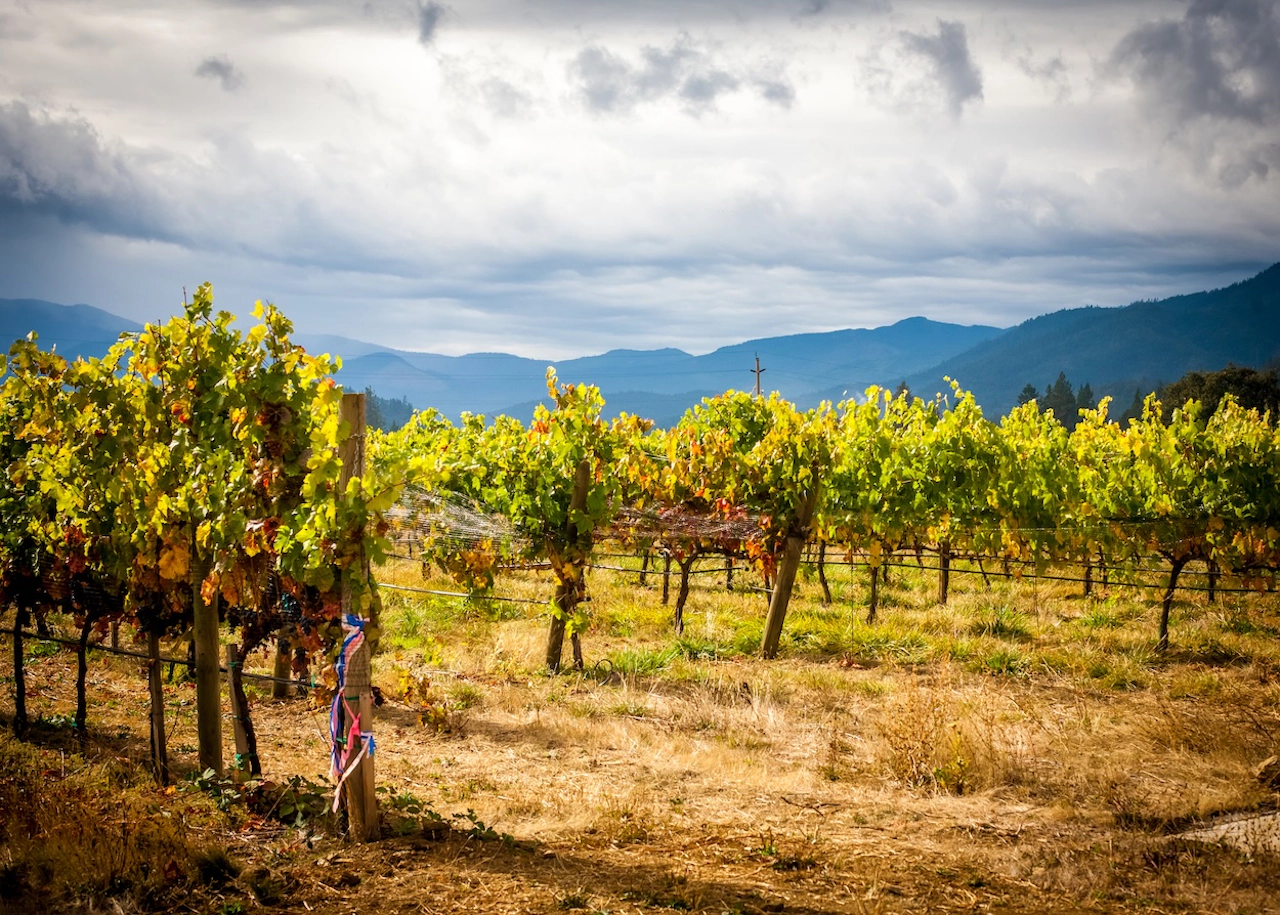
During the day, hike the madrone-shaded Enchanted Forest Trail, sip your way along the Applegate Valley Wine Trail, browse farm-fresh finds, and wander historic Jacksonville. But don’t call it a day when the sun goes down! One of Southern Oregon’s best places for dark-sky viewing is tucked into the Rogue River-Siskiyou National Forest. Camp at Applegate Lake’s Hart-Tish Park, where a grassy lakeshore looks out toward the Red Buttes Wilderness. At night, stars sprinkle the sky and sparkle across the lake.
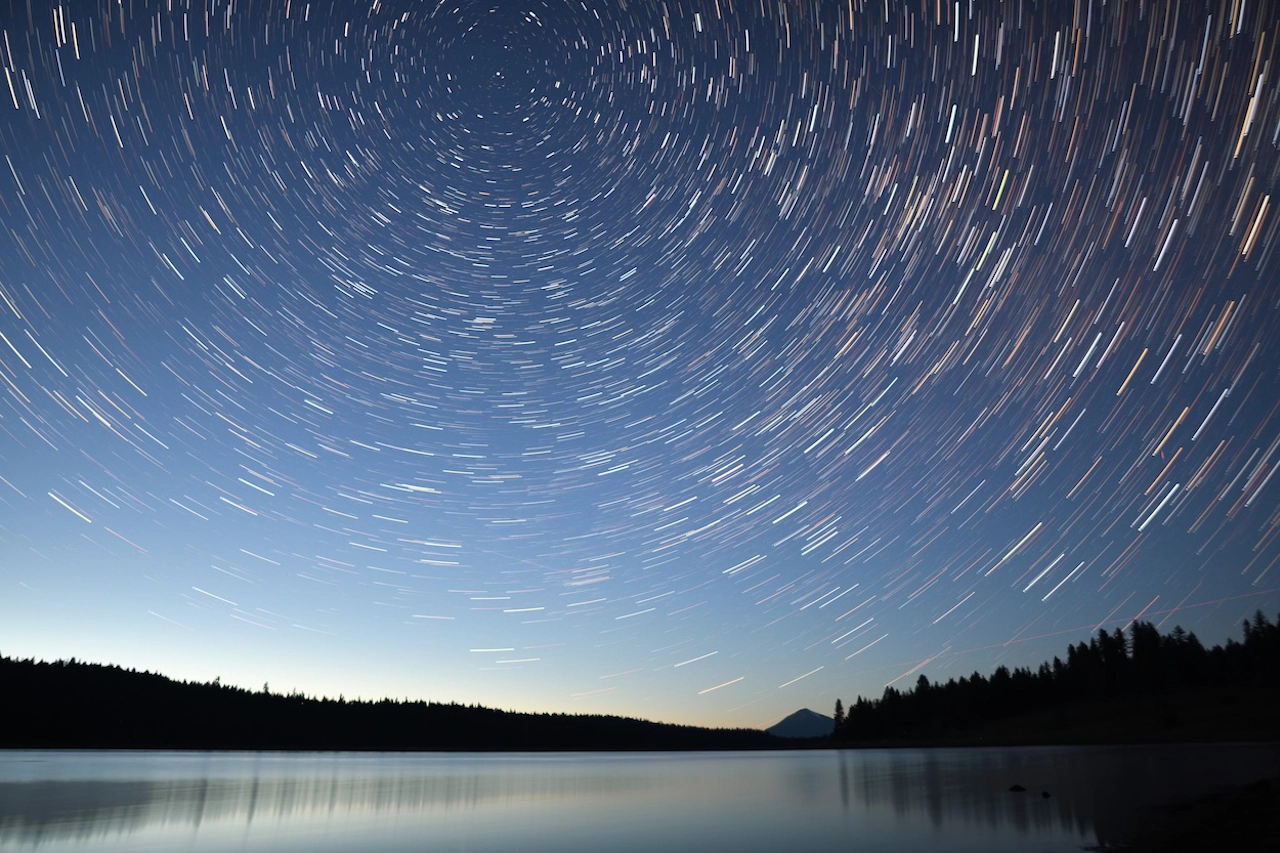
Check out Applegate After Dark for local stargazing events. The group shines with its efforts to educate, advocate, and limit light pollution.
Ashland may be known for putting on a grand show (the Oregon Shakespeare Festival, not to mention the lush Lithia Park and Japanese Garden) but wait until you see what happens after dark. Just outside town, Cascade-Siskiyou National Monument has some of the darkest skies near the I-5 corridor, and its equidistance from Ashland, Medford, and Klamath Falls makes it an accessible visit.
A Mini-Primer for Experiencing Oregon’s Dark Skies
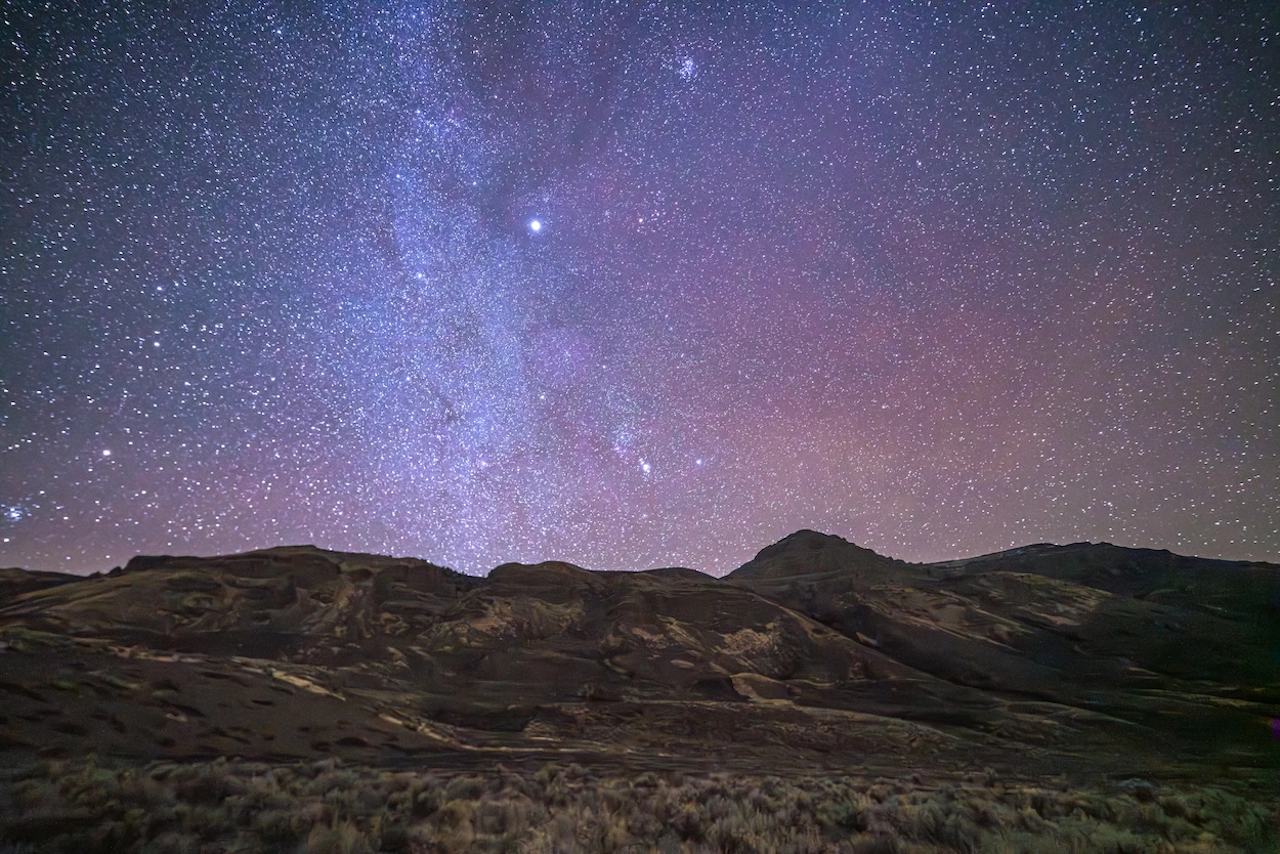
No astronomy expertise, guide, or telescope required. Much of the fun here is simply finding your dark spot, looking up, and letting your eyes adjust.
· Go anytime. Stargazing is year-round and worthwhile throughout the lunar cycle, though a new moon brings the darkest conditions.
· Check the weather. Clouds can cloud things!
· Keep it dark. Minimize artificial light (including your phone) and give your eyes time to adjust. Bring a headlamp with a red light to ensure your night vision stays strong.
· Bring layers. Clear nights can get chilly fast.
· Use common sense. Know where you’re going, mind nighttime road and trail conditions, and stay aware of your surroundings—even when you’re all starry-eyed.